


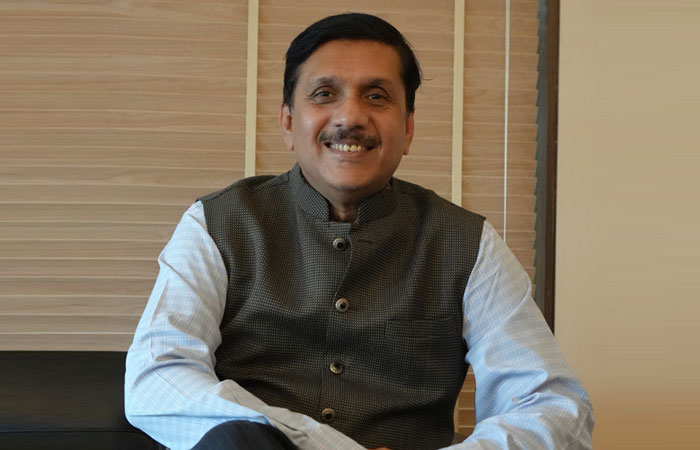
Mahesh Kudav says, organisations are increasingly willing to invest in advanced safety solutions because protecting skilled workers is both an ethical obligation and an economic necessity.
The pandemic did more than disrupt global industries — it fundamentally reshaped how organisations think about health, risk, and responsibility. Across factories, manufacturing units, and industrial workplaces, safety has evolved from a regulatory requirement into a strategic priority, driven by heightened awareness of occupational hazards and a growing emphasis on worker well-being.
At the centre of this transformation is Venus Safety & Health Pvt. Ltd., a company that has been closely tracking and shaping the shift in India’s industrial safety landscape. Divya Shetty, in this conversation with Mahesh Kudav, Managing Director, Venus Safety & Health, shares how changing attitudes, technological innovation, and evolving regulations are redefining workplace protection — and why safety today is as much about prevention as it is about compliance.
A pandemic that changed perspectives
For Kudav, the most lasting impact of the pandemic has been a dramatic shift in awareness about respiratory health. The crisis highlighted how easily harmful contaminants and illnesses can enter the body through the respiratory tract, prompting individuals and organisations alike to rethink protection.
This heightened consciousness, he explains, has encouraged greater personal responsibility toward health and significantly strengthened the focus on professional-grade protective solutions. Workers and employers increasingly recognise that effective protection not only prevents illness but also enhances quality of life and reduces long-term medical risks.
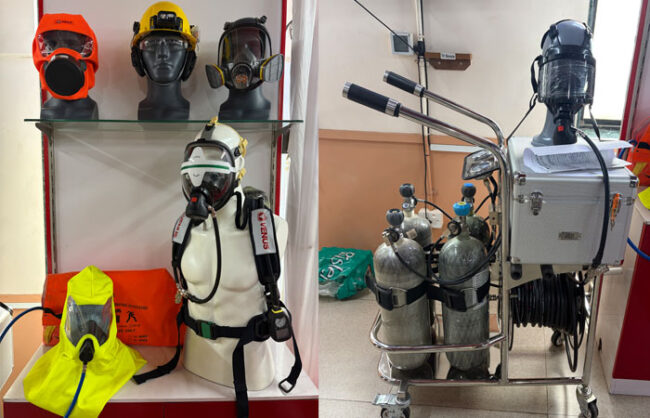
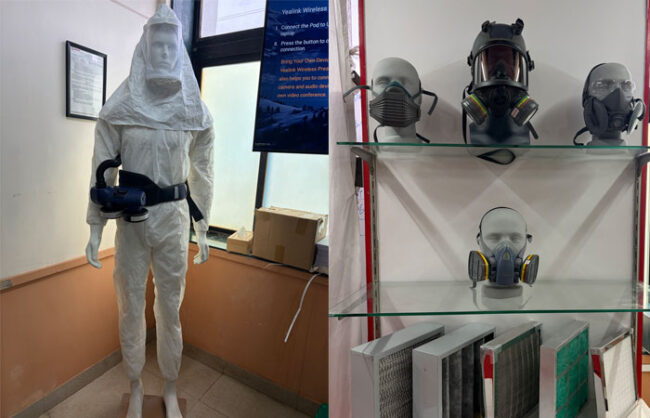
Yet the surge in awareness has also created new misconceptions. “Some people believe masks were necessary only during the pandemic or assume that simple cloth coverings provide adequate protection in all situations,” Kudav notes. While such measures may suffice in everyday environments, industrial workplaces demand specialised equipment capable of handling significantly higher levels of exposure.
This is where the company has concentrated its efforts — advancing respiratory protection technologies, promoting awareness, and educating industries on appropriate safety practices. The goal, he emphasises, is to reinforce the importance of professional-grade protection in environments where risks are far more complex.
Beyond helmets and gloves
Industrial safety itself is undergoing a profound transformation. The rise of automation, robotics, electric mobility, and advanced infrastructure has redefined the nature of industrial work — and with it, the expectations from safety equipment.
Modern factories employ fewer workers than before, but the workforce is far more skilled. Where industries once depended heavily on contract labour, today’s operations demand trained professionals capable of managing sophisticated machinery and automated systems. This shift has elevated both employee value and the importance of safeguarding them.
As Kudav observes, organisations are increasingly willing to invest in cbecause protecting skilled workers is both an ethical obligation and an economic necessity. Safety equipment is no longer limited to basic protective gear; it is evolving into specialised solutions designed to support high-performance industrial environments.
The emphasis has also shifted from mere regulatory compliance to operational excellence. Safety today is viewed as a driver of productivity, efficiency, and workforce stability — a critical component of sustainable industrial growth.
The true cost of safety
Despite growing recognition of its importance, cost considerations continue to influence safety adoption across industries. Kudav, however, challenges the notion that safety investments are expensive, arguing that the real cost lies in neglecting them.
He explains that inadequate protection directly affects productivity. Workers exposed to hazardous environments without proper safety measures may be unable to perform at full capacity, leading to reduced efficiency, frequent absenteeism, and increased health risks. Over time, these factors translate into substantial financial losses.
“Investing in safety equipment is not merely an expense — it is a strategic investment,” he says. Poor safety practices can result in compensation claims, litigation, and long-term health liabilities, all of which impose far greater costs than preventive measures.
Drawing a relatable comparison, Kudav likens workplace safety to wearing a helmet or fastening a seat belt. Skipping these precautions may seem convenient in the moment, but the consequences of an accident can be irreversible. Similarly, proactive safety measures ultimately protect both workers and business outcomes.
Prevention through technology
Technology is rapidly emerging as a powerful force in workplace safety, introducing tools that move beyond monitoring toward prevention. From smart wearables to advanced detection systems, digital solutions are enabling organisations to identify risks before they escalate into hazards.
Kudav believes the primary role of technology should be to eliminate or reduce dangers at their source. Preventive assessments, mechanical interventions, and intelligent monitoring systems can detect hazardous conditions early, minimise exposure to contaminants, and prevent accidents before they occur.
While ensuring compliance with safety protocols remains important, he argues that prevention must take precedence. “Using smart tools to reduce risks at the source represents the ideal approach,” he explains, highlighting a shift toward proactive risk management that aligns with modern industrial practices.
This preventive mindset reflects a broader transformation in how organisations approach workplace safety — moving from reactive responses to forward-looking protection strategies.
Bridging India’s safety gap
Even as awareness grows, challenges remain within India’s industrial safety ecosystem. One of the most pressing issues, according to Kudav, is the gap between personal and workplace safety behaviour.
Individuals who strictly follow safety practices in everyday life — such as wearing helmets or seat belts — may overlook protective measures at work. This inconsistency, he suggests, stems largely from uneven regulatory enforcement and limited compliance mechanisms in certain sectors.
Strengthening oversight and encouraging consistent implementation of safety standards are therefore essential. While cultural acceptance of safety has improved significantly, institutional enforcement must evolve to ensure widespread adoption across industries.
Labour codes and the road ahead
India’s evolving labour codes are expected to play a key role in strengthening workplace safety in the years ahead. Although their immediate impact on safety product demand has been limited, Kudav anticipates significant long-term changes once they are fully implemented.
The new framework aims to enhance organisational management systems and provide greater social security for workers, particularly in the private sector. While compliance may increase operational costs for companies, the reforms are expected to improve worker welfare and encourage stronger safety standards.
In the long run, empowered employees may demand better protective equipment and safer working conditions, accelerating the adoption of advanced safety solutions across industries.
Building a culture of protection
As industries embrace automation, innovation, and rapid growth, workplace safety is emerging as a defining element of responsible industrial development. For Venus Safety & Health, the mission extends beyond manufacturing protective equipment — it involves shaping a culture where prevention, awareness, and accountability form the foundation of workplace practices.
Kudav emphasises that meaningful change requires collaboration between industry leaders, regulators, and workers. By combining technological innovation with stronger compliance and awareness, the company aims to support a future where industrial progress and human well-being advance together.
In a world increasingly defined by complexity and speed, one principle remains constant: true industrial growth is sustainable only when safety comes first.