


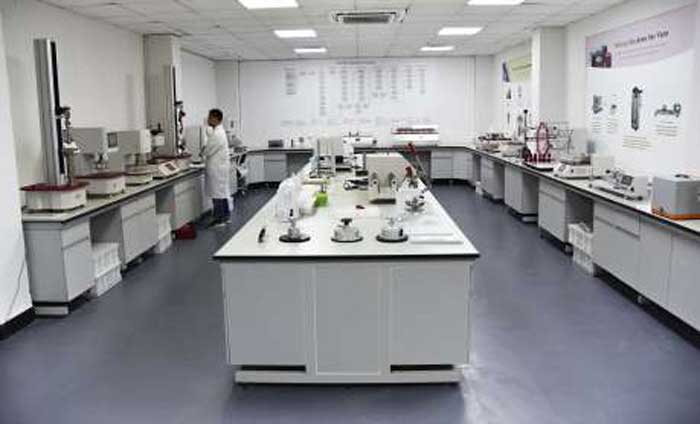
Manjit Singht Saini discusses why to have an in-house quality control lab in a fabric / garment manufacturing company.
In today’s competitive manufacturing landscape, quality is not just a buzzword—it’s the cornerstone of success. For companies producing goods on a large scale, establishing an in-house quality testing lab can be the catalyst that propels them towards exponential growth. Let’s explore how investing in quality control can transform your business and deliver exceptional returns.
Creating a quality mindset: An in-house testing lab does more than just check products; it fosters a culture of excellence throughout your organisation. When employees see the commitment to quality firsthand, it permeates every aspect of the production process. This new quality mindset leads to continuous improvement, innovation, and a shared commitment to delivering superior products.
Drastic reduction in rejections: By implementing rigorous testing protocols, companies can identify and address issues early in the production cycle. This proactive approach significantly reduces rejection rates, minimising waste and rework. The result? Higher yield, improved efficiency, and substantial cost savings.
Time and cost efficiency: Outsourcing quality control can be time-consuming and expensive. An in-house lab allows for immediate testing and faster turnaround times. This agility not only saves money but also accelerates your time-to-market, giving you a competitive edge in rapidly evolving industries.
Building customer trust: When buyers know that your products undergo stringent quality checks, it instills confidence in your brand. This trust translates into long-term relationships, repeat business, and positive word-of-mouth referrals—all crucial factors for exponential growth.

Boosting internal confidence: An in-house lab provides real-time data on your product quality. This information empowers your team to make informed decisions and continuously refine your offerings. The resulting confidence in your products’ quality can be a powerful motivator for your sales and marketing efforts.
Streamlined accreditation process: Many industries require specific certifications and accreditations. Having an in-house quality control lab makes it significantly easier to meet these standards and maintain compliance. This can open doors to new markets and lucrative contracts that were previously out of reach.

Driving business growth and profitability: Quality control is not just about preventing defects; it’s about optimising your entire production process. By consistently delivering high-quality products, you can command premium prices, reduce warranty claims, and expand your market share. These factors combine to drive substantial business growth and increased profitability.
Exceptional return on investment: While setting up an in-house lab requires initial investment, the returns far outweigh the costs. Consider the savings from reduced rejections, faster production cycles, and increased customer satisfaction. Factor in the potential for expanded market opportunities and higher profit margins, and it becomes clear that a quality testing lab offers an exceptional ROI.

Conclusion
In an era where quality can make or break a company, investing in an in-house testing lab is not just advisable—it’s essential for those aiming for exponential growth. By creating a quality-centric culture, reducing rejections, saving time and money, building trust, boosting confidence, facilitating accreditation, driving growth, and delivering impressive ROI, a quality control lab becomes the engine that powers your company’s success.
Don’t let quality be an afterthought. Make it the foundation of your business strategy. Embrace the power of in-house quality control, and watch your company soar to new heights of success and profitability.
About the author:

Manjit Singht Saini is a Technical Director at Paramount Instrument. He is a quality control expert in 8 industry domains. Paramount Instruments provides quality control solutions and world-class testing instruments for textiles, yarn, fabric inspection, footwear, leather, artificial leather, automotive, coated fabrics, non-woven, paper, cardboard and packaging industry.