Close Menu
Indian Textile Journal
  • Home
  • Textile Machinery
    • Allied Equipment and Accessories
    • Automation
    • Dyeing, Processing & Finishing
    • Knitting
    • Printing
    • Spinning
    • Weaving
  • Tech Textiles
  • Sustainability
  • Resources
    • Trade Fair
    • Events
    • Videos
  • Interview & Opinion
  • Subscribe Now
  • Advertise
  • Digital
  • Apparels & Garments
  • Fibres & Raw Materials
  • Home Textiles
  • Industry Update
Facebook X (Twitter) YouTube LinkedIn
Indian Textile Journal
Epson
  • Home
  • Textile Machinery
    • Allied Equipment and Accessories
    • Automation
    • Dyeing, Processing & Finishing
    • Knitting
    • Printing
    • Spinning
    • Weaving
  • Tech Textiles
  • Sustainability
  • Resources
    • Trade Fair
    • Events
    • Videos
  • Interview & Opinion
  • Subscribe Now
  • Advertise
  • Digital
  • Apparels & Garments
  • Fibres & Raw Materials
  • Home Textiles
  • Industry Update
Indian Textile Journal
Home » Textiles Ministry Plans Silk Production Using Castor Plant to Boost Jobs
Fibres & Raw Materials

Textiles Ministry Plans Silk Production Using Castor Plant to Boost Jobs

By July 4, 20242 Mins Read
Share Facebook Twitter LinkedIn WhatsApp Copy Link

Despite being the world’s second-largest producer of silk, India faces high demand and often imports silk from other countries.

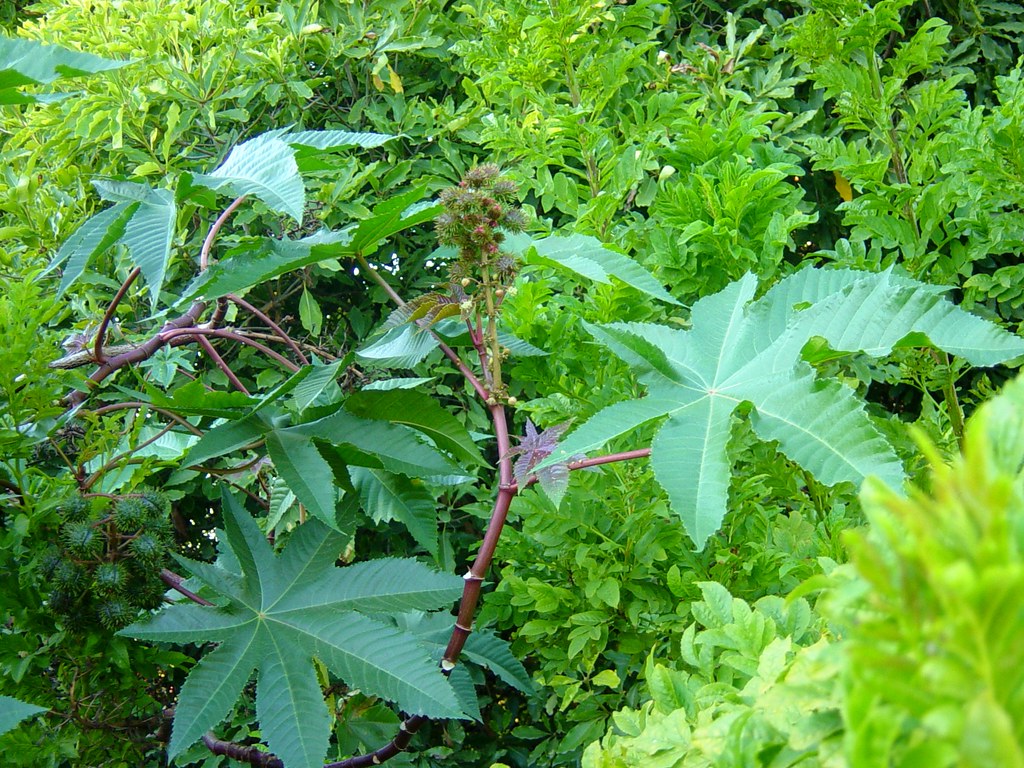
India’s textile ministry is exploring innovative ways to boost silk production by considering the use of castor leaves instead of traditional mulberry leaves favoured by silkworms. This initiative aims to enhance employment opportunities in the country’s sericulture industry, which currently supports around 9.2 million people in rural and semi-urban areas. Despite being the world’s second-largest producer of silk, India faces high demand and often imports silk from other countries.

The ministry’s proposal involves launching a pilot project in Bihar, starting in Bhagalpur, a significant region for castor production. If successful, this project could expand to other parts of India, promoting castor as a viable alternative for silk production. Known as eri silk, the fabric produced from castor leaves offers qualities akin to wool, making it suitable for winter wear due to its softness, warmth, and durability.

According to sources involved in the project, the textile ministry plans to initiate this pilot project within the early days of the newly formed government. They highlight the potential benefits of diversifying silk production beyond mulberry silk, thereby reducing dependency on a single source.

Furthermore, castor plants are prized for their versatility; besides silk production, their seeds are used in medicine and lubricants, and their stems are utilised for making thatched roofs. This versatility could offer additional economic advantages to farmers beyond silk production alone.

The project’s proponents emphasize the importance of adapting silk production methods to utilize India’s natural resources more efficiently, potentially transforming the country’s silk industry while benefiting local economies.

Previous ArticleIndian textile players launch new developments at Gartex Delhi 2024
Next Article Business Collaboration Opportunities for Textiles and Advanced Textiles

Related Posts

CAI raises India cotton pressing estimate to 339 lakh bales

August 12, 2026

How Trützschler’s CL-X is revolutionising cotton ginning and preparation

August 3, 2026

CAI raises cotton pressing estimate to 337 lakh bales

July 29, 2026
Recent Posts
  • Vero Moda brings a century of Marilyn Monroe to India in a special capsule collection via Myntra
  • Beyond the Curve redefines inclusive style for modern curvy consumers
  • Vipul Organics’ ADIMEM Technologies acquires advanced membrane manufacturing platform from Aquaporin, Denmark
  • Maharashtra targets global textile leadership with 5F vision
  • Textiles Ministry reviews research initiatives for industry growth
  • TechnoSport appoints Aditya Gadiyar as CMO to drive hypergrowth
  • Trident Group clinches best in-house Studio Award for a record fifth time at IBDA 2026
  • ITMA 2027 preview: How connected systems and automation are transforming apparel manufacturing
Facebook X (Twitter) YouTube LinkedIn
  • About us
  • Contact us
  • Privacy Policy
  • Terms and Conditions

SISTER PUBLICATIONS

Construction World Equipment India Industrial Product Finder Infrastructure Today

© 2026 Indian Textile Journal. All Rights Reserved.

Type above and press Enter to search. Press Esc to cancel.