Close Menu
Indian Textile Journal
  • Home
  • Textile Machinery
    • Allied Equipment and Accessories
    • Automation
    • Dyeing, Processing & Finishing
    • Knitting
    • Printing
    • Spinning
    • Weaving
  • Tech Textiles
  • Sustainability
  • Resources
    • Trade Fair
    • Events
    • Videos
  • Interview & Opinion
  • Subscribe Now
  • Advertise
  • Digital
  • Apparels & Garments
  • Fibres & Raw Materials
  • Home Textiles
  • Industry Update
Facebook X (Twitter) YouTube LinkedIn
Indian Textile Journal
Epson
  • Home
  • Textile Machinery
    • Allied Equipment and Accessories
    • Automation
    • Dyeing, Processing & Finishing
    • Knitting
    • Printing
    • Spinning
    • Weaving
  • Tech Textiles
  • Sustainability
  • Resources
    • Trade Fair
    • Events
    • Videos
  • Interview & Opinion
  • Subscribe Now
  • Advertise
  • Digital
  • Apparels & Garments
  • Fibres & Raw Materials
  • Home Textiles
  • Industry Update
Indian Textile Journal
Home » Demonetisation hurts apparel sales
Industry Update

Demonetisation hurts apparel sales

By December 2, 20162 Mins Read
Share Facebook Twitter LinkedIn WhatsApp Copy Link
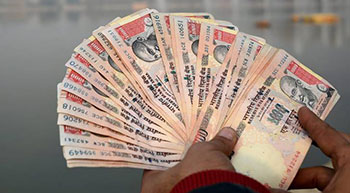
Thanks to the demonetisation, the Indian textile and apparel industry has lost 30-40 per cent of business. Apparel sale in domestic markets had stopped in the initial days and recovered gradually. Consumers continue to face liquidity tightness, resulting in deferring of purchase. Hence, further recovery might take some time. As the wedding season is on, this would affect the revenue and profit of manufacturers, as apparel purchase is seasonal or occasional.
"The effect on denim sales is even worse. While exports are not affected, the decline in domestic retail sales would definitely hit sales and profit," says R K Dalmia, chairman, The Cotton Textiles Export Promotion Council. Market participants believe output needs to be curtailed to control supply and avoid long-period discounting and stock clearing sales. 
Meanwhile, the apparel sector, however, has hailed the overall demonetisation scheme as good for the long term, on expectations of transparency in the entire value chain. Many handloom, powerloom and cottage fabric manufacturers continue to operate largely in cash. Any business with retail connections generates unbilled amounts; in garments, a large section of retailers at the bottom of the pyramid deals largely in cash, without generating bills. Demonetisation is expected to curb all unbilled sales. 
Previous ArticleMAG’s silver jubilee celebration
Next Article India’s apparel exports dip

Related Posts

D.BADAMI debuts high-end collection at Bharat Tex 2026

July 15, 2026

DC Handlooms opens ‘Weave The Future 4.0’ at Dilli Haat

July 15, 2026

PDS and Busana Apparel Group join forces to redefine global apparel manufacturing

July 15, 2026
Recent Posts
  • D.BADAMI debuts high-end collection at Bharat Tex 2026
  • DC Handlooms opens ‘Weave The Future 4.0’ at Dilli Haat
  • GHCL Textiles unveils premium yarn and fabric portfolio at Bharat Tex 2026
  • eVent Fabrics and PELLIOT partner to advance eco-conscious outdoor solutions
  • Trident Group accelerates growth at Bharat Tex 2026 through innovation and significant R&D commitment
  • RSWM unveils ‘Sutradhaar’ at Bharat Tex 2026, showcasing the future of Indian textiles
  • Amazon India and TEXPROCIL ink MoU at Bharat Tex 2026 to accelerate global e-commerce for cotton textiles
  • PDS and Busana Apparel Group join forces to redefine global apparel manufacturing
Facebook X (Twitter) YouTube LinkedIn
  • About us
  • Contact us
  • Privacy Policy
  • Terms and Conditions

SISTER PUBLICATIONS

Construction World Equipment India Industrial Product Finder Infrastructure Today

© 2026 Indian Textile Journal. All Rights Reserved.

Type above and press Enter to search. Press Esc to cancel.