Close Menu
Indian Textile Journal
  • Home
  • Textile Machinery
    • Allied Equipment and Accessories
    • Automation
    • Dyeing, Processing & Finishing
    • Knitting
    • Printing
    • Spinning
    • Weaving
  • Tech Textiles
  • Sustainability
  • Resources
    • Trade Fair
    • Events
    • Videos
  • Interview & Opinion
  • Subscribe Now
  • Advertise
  • Digital
  • Apparels & Garments
  • Fibres & Raw Materials
  • Home Textiles
  • Industry Update
Facebook X (Twitter) YouTube LinkedIn
Indian Textile Journal
Epson
  • Home
  • Textile Machinery
    • Allied Equipment and Accessories
    • Automation
    • Dyeing, Processing & Finishing
    • Knitting
    • Printing
    • Spinning
    • Weaving
  • Tech Textiles
  • Sustainability
  • Resources
    • Trade Fair
    • Events
    • Videos
  • Interview & Opinion
  • Subscribe Now
  • Advertise
  • Digital
  • Apparels & Garments
  • Fibres & Raw Materials
  • Home Textiles
  • Industry Update
Indian Textile Journal
Home » Suketu Shah: Denim and casual wear will become more cost-competitive in the UK post FTA
Industry Update

Suketu Shah: Denim and casual wear will become more cost-competitive in the UK post FTA

By May 8, 20252 Mins Read
Share Facebook Twitter LinkedIn WhatsApp Copy Link

The conclusion of the India-UK Free Trade Agreement (FTA) brings an exciting new phase for India’s textile industry, especially in sectors like denim and apparel. The agreement ensures that 99 per cent of Indian textile exports, including garments and fabrics, will now benefit from duty-free access to the UK market, which previously imposed import duties of 10-12 per cent. This move is a substantial step toward improving the global competitiveness of Indian manufacturers like us who specialize in high-quality denim.

By eliminating these tariffs, Indian textile products, including denim and casual wear, will become more cost-competitive in the UK, allowing brands to strengthen their foothold in one of their largest export markets. This will help reduce production costs and enhance pricing flexibility for manufacturers, positioning them to capture a larger share of the UK market. The removal of duties is expected to increase the demand for Indian textiles, driving an estimated $5 billion boost in exports across the sector.

This agreement is in sync with the larger objective of positioning India as a global leader in the textile industry, further opening up international markets and enabling manufacturers to stay competitive. By capitalizing on this shift, brands can drive sustainable growth and contribute to India’s thriving textile sector.

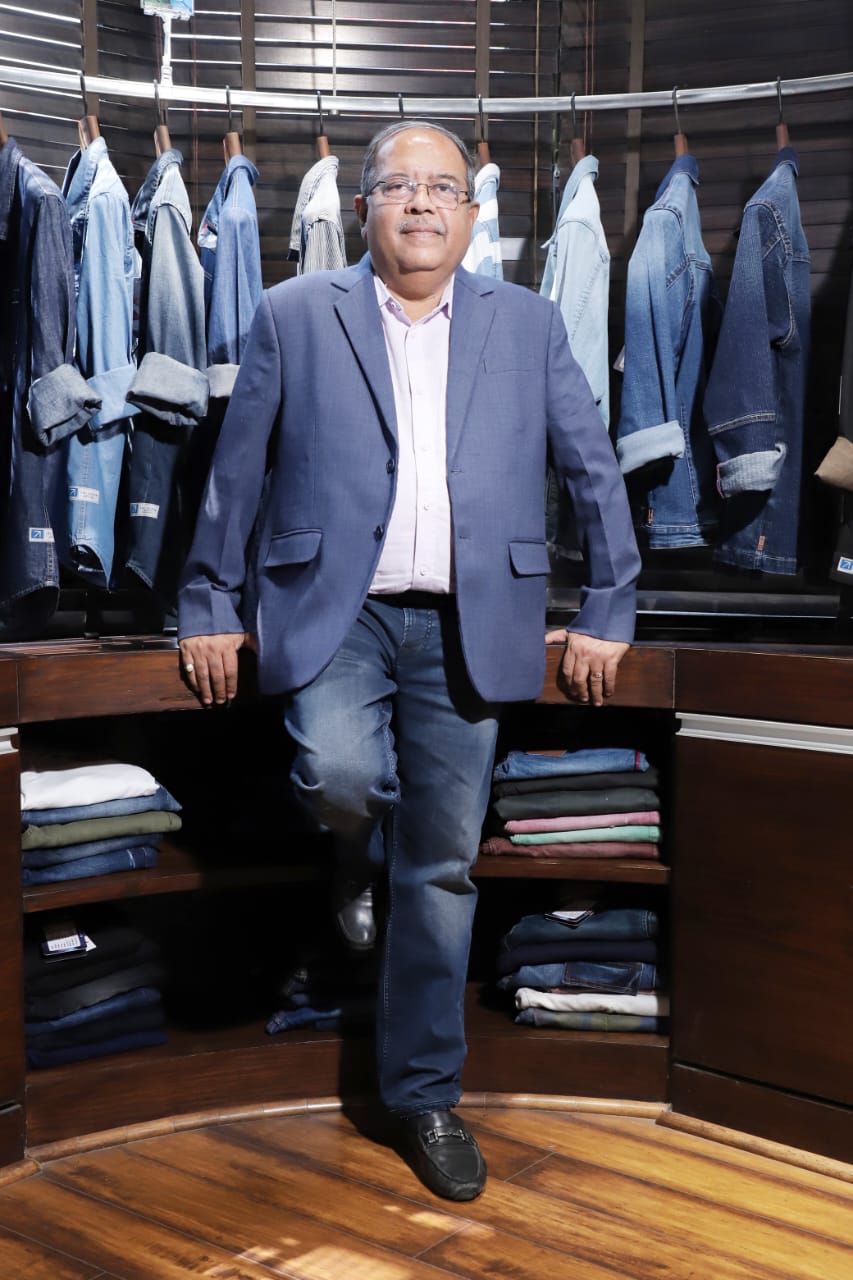
This opinion has been presented by Suketu Shah, CEO, Vishal Fabrics

Previous ArticleVikash Agarwal: The India-UK FTA could drive up Indian textile exports by an estimated $5 billion
Next Article GHCL Textiles unveils Rs 10 billion plan to boost spinning and knitting

Related Posts

Vipul Organics starts operations at greenfield facility in Sayakha, Gujarat

August 24, 2026

“The value of handloom lies precisely in the time, skill and human effort that goes into making it.”

August 21, 2026

Vipul Organics Q1 FY27 PAT rises 99.75% as revenue grows 38.44%

August 18, 2026
Recent Posts
  • AI –A friend & not enemy of textile industry
  • ITMA ASIA + CITME 2026 Shanghai showcases intelligent and sustainable manufacturing
  • Smart chemistry for textile innovations
  • Recombinant spider silk: Production, properties, and applications
  • Global textile sector responds enthusiastically to ITMA 2027
  • How tech-driven fulfilment is reshaping E-commerce and textile logistics
  • Puspen Maity: Performance apparel is becoming relevant to a wider consumer base
  • Building India’s Composite Industry for Strategic Growth
Facebook X (Twitter) YouTube LinkedIn
  • About us
  • Contact us
  • Privacy Policy
  • Terms and Conditions

SISTER PUBLICATIONS

Construction World Equipment India Industrial Product Finder Infrastructure Today

© 2026 Indian Textile Journal. All Rights Reserved.

Type above and press Enter to search. Press Esc to cancel.