


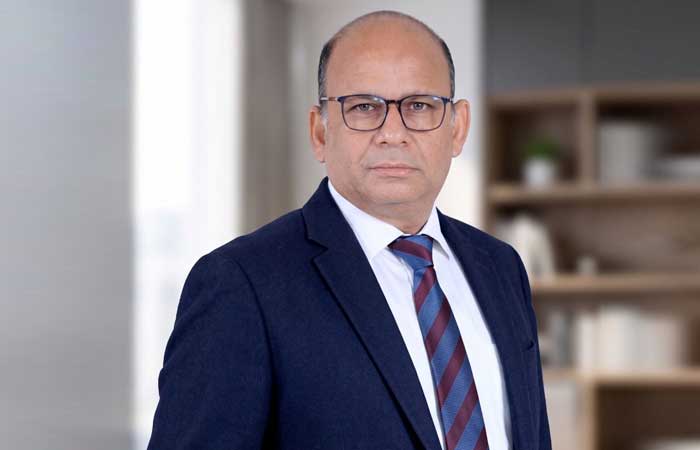
Garware Technical Fibres is one of India’s leading players in the technical textiles sector. Established in 1876, the company has evolved into a multi-divisional, multi-geographic enterprise, known for delivering world-class innovative solutions across high-performance aquaculture cage nets, fishing nets, sports nets, safety nets, agricultural nets, coated fabrics, polymer ropes and geosynthetics. Shujaul Rehman, CEO, Garware Technical Fibres, in this interview with Divya Shetty, shares his views on global market conditions for technical fibres and discusses the company’s latest products and technological advancements.
Garware Technical Fibres operates across several segments. Which business verticals are currently driving the most growth?
Garware’s growth continues to be led by its Aquaculture and Geosynthetics businesses.
Aquaculture remains a key global driver, particularly in Chile and Northern Europe, supported by increasing adoption of advanced cage and netting solutions. In parallel, the Geosynthetics segment is witnessing steady momentum, driven by infrastructure investments in roads, railways, and environmental applications.
This balanced growth across marine and infrastructure segments reflects the company’s diversified, application-focused portfolio.
What are some of the latest product or technology innovations introduced recently?
Garware’s innovation efforts are focused on application-specific performance enhancement, particularly in aquaculture.
Recent developments include:
- Advanced predator net solutions designed for improved stiffness and cut resistance
- Technologies compatible with antifouling systems to enhance operational efficiency
- Non-pharmacological sea lice protection systems, including advanced lice shields
- Strengthening of internal capabilities through a specialised net performance testing facility
These initiatives are aimed at improving durability, operational efficiency, and lifecycle value for customers.
How is Garware strengthening its position in the global aquaculture solutions market?
Garware is strengthening its position through a combination of technology focus, global presence, and customer-centric engagement.
The company:
- Serves customers across 75+ countries, including key aquaculture markets such as Norway, Chile, Scotland, and Canada
- Continues to invest in next-generation solutions aligned with evolving environmental and regulatory requirements
- Works closely with customers and industry stakeholders to develop application-driven solutions
The focus remains on being a long-term engineering partner to the aquaculture industry.
How do you assess current global market conditions for technical fibres?
The current environment is mixed in the short term but structurally positive.
Certain markets, particularly in Northern Europe aquaculture, have seen temporary delays in capital expenditure. At the same time, regions such as Chile continue to show resilience, and infrastructure-led demand for geosynthetics remains stable.
Over the medium to long term, demand for high-performance, application-driven technical textiles is expected to remain strong, supported by sustainability requirements, operational efficiency, and evolving regulations.
How important is customised, application-based innovation across your sectors?
Customisation is central to Garware’s operating model.
Each sector—whether aquaculture, sports, or infrastructure—has distinct performance requirements. The company focuses on developing application-specific solutions that address real operating conditions, rather than standardised offerings.
This approach enables:
- Improved performance outcomes
- Higher lifecycle value for customers
- Stronger, long-term customer relationships
What strategic opportunities does the collaboration with Salmon Scotland create?
The collaboration with Salmon Scotland provides a platform for deeper engagement with the UK aquaculture ecosystem.
Key opportunities include:
- Strengthening relationships with salmon farming companies
- Collaborating on areas such as fish welfare, sustainability, and operational efficiency
- Enhancing presence in a high-value, regulated market
This aligns with Garware’s approach of working closely with industry stakeholders to support responsible and sustainable aquaculture practices.
Do you see India–UK FTA discussions boosting cooperation in technical textiles?
The India–UK trade agreement is expected to be structurally positive for the sector, subject to final terms.
Potential benefits include:
- Improved market access for Indian manufacturers
- Enhanced competitiveness through tariff rationalisation
- Increased collaboration opportunities across industries
For Garware, this could support further expansion in UK and European markets over the long term.