Close Menu
Indian Textile Journal
  • Home
  • Textile Machinery
    • Allied Equipment and Accessories
    • Automation
    • Dyeing, Processing & Finishing
    • Knitting
    • Printing
    • Spinning
    • Weaving
  • Tech Textiles
  • Sustainability
  • Resources
    • Trade Fair
    • Events
    • Videos
  • Interview & Opinion
  • Subscribe Now
  • Advertise
  • Digital
  • Apparels & Garments
  • Fibres & Raw Materials
  • Home Textiles
  • Industry Update
Facebook X (Twitter) YouTube LinkedIn
Indian Textile Journal
Epson
  • Home
  • Textile Machinery
    • Allied Equipment and Accessories
    • Automation
    • Dyeing, Processing & Finishing
    • Knitting
    • Printing
    • Spinning
    • Weaving
  • Tech Textiles
  • Sustainability
  • Resources
    • Trade Fair
    • Events
    • Videos
  • Interview & Opinion
  • Subscribe Now
  • Advertise
  • Digital
  • Apparels & Garments
  • Fibres & Raw Materials
  • Home Textiles
  • Industry Update
Indian Textile Journal
Home » Recycled fibreboard & pulp to generate power
Apparels & Garments

Recycled fibreboard & pulp to generate power

By November 4, 20161 Min Read
Share Facebook Twitter LinkedIn WhatsApp Copy Link

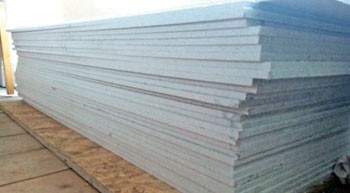
Recycled cardboard fibres and pulp, when developed into triboelectric generators can produce electricity. Researchers at the University of Wisconsin-Madison are advancing the field of “roadside energy harvesting” by getting help from recycled paper boards and pulp based cellulose nanofibres..

Integrated triboelectric fibreboards were developed using cellulose nanofibres triboelectric generator embedded in fibreboards developed using recycled paper boards, using cold press method. Triboelectric phenomenon is similar to the production of static charges on textiles. Cellulose nanofibres were produced using commercially available bleached eucalyptus pul

Dr. Xudong Wang of the Department of Materials Science and Engineering at the University of Wisconsin-Madison collaborated with USDA’s Forest Products Laboratory, Madison in developing the electricity generator.

By: Seshadri Ramkumar, Texas Tech University, USA

Previous ArticleSiemens expands portfolio for Digital Enterprise
Next Article Bid for FTA with EU

Related Posts

Myntra’s Cares strengthens education for 400+ beneficiaries

November 17, 2026

Jeanologia and Sue Barrett reimagine camouflage codes in Common Ground

November 16, 2026

CMAI and NIFT VisioNxt team up to bring ai-driven fashion forecasting to apparel hubs

November 12, 2026
Recent Posts
  • inno-spin: Automating every move in the mill, from Sliver to Stock
  • Nonwoven wipe for cold weather decontamination
  • India is a key market for Swiss textile machinery firms: Cornelia Buchwalder
  • Maharashtra Cabinet approves key amendments to state textile policy
  • Role of textiles in molecular medicine
  • Managing the 5x Surge: Supply Chain Resilience for India’s Textile & D2C Fashion Brands
  • LMW: Complete Technology | Seamless Possibilities
  • Makarand Kulkarni: Demand for recycled polyester is rising across all segments
Facebook X (Twitter) YouTube LinkedIn
  • About us
  • Contact us
  • Privacy Policy
  • Terms and Conditions

SISTER PUBLICATIONS

Construction World Equipment India Industrial Product Finder Infrastructure Today

© 2026 Indian Textile Journal. All Rights Reserved.

Type above and press Enter to search. Press Esc to cancel.