Close Menu
Indian Textile Journal
  • Home
  • Market and Economy
    • Apparels & Garments
    • Fibres & Raw Materials
    • Home Textiles
    • Industry Update
  • Textile Machinery
    • Allied Equipment and Accessories
    • Automation
    • Dyeing, Processing & Finishing
    • Knitting
    • Printing
    • Spinning
    • Weaving
  • Tech Textiles
  • Sustainability
  • Resources
    • Trade Fair
    • Events
    • Videos
  • Interview & Opinion
  • Subscribe Now
  • Advertise
  • Digital
Facebook X (Twitter) YouTube LinkedIn
Indian Textile Journal
Epson
  • Home
  • Market and Economy
    • Apparels & Garments
    • Fibres & Raw Materials
    • Home Textiles
    • Industry Update
  • Textile Machinery
    • Allied Equipment and Accessories
    • Automation
    • Dyeing, Processing & Finishing
    • Knitting
    • Printing
    • Spinning
    • Weaving
  • Tech Textiles
  • Sustainability
  • Resources
    • Trade Fair
    • Events
    • Videos
  • Interview & Opinion
  • Subscribe Now
  • Advertise
  • Digital
Indian Textile Journal
Home » Octopus-inspired camouflage material
Industry Update

Octopus-inspired camouflage material

By October 26, 20172 Mins Read
Share Facebook Twitter LinkedIn WhatsApp Copy Link

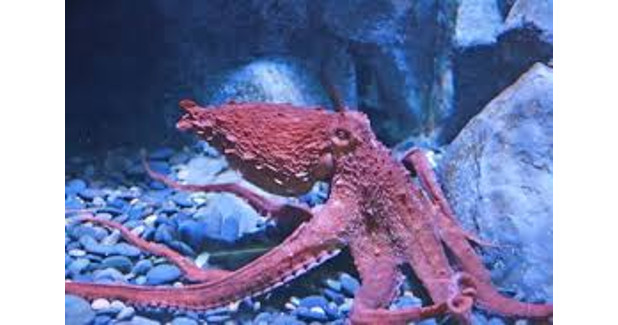
Biomimetic approaches can help with the development of sophisticated high performance textiles. A team of researchers from Ithaca, NY-based Cornell University and Woods Hole, MA-based Marine Biological Laboratory have borrowed inspiration from cephalopods such as octopus in devising camouflage materials.

Nonwoven textile structure was used in conjunction with elastomeric silicone membranes in developing a structure that enables papillae like structures, as found in octopus. Scientists took clues from octopus’ morphology to develop synthetic structures which can transform quickly from its 2-dimentional structures into 3-dimensional shapes, which adapts well with its environment, similar to what octopus does in real life situations.

The nonwoven textile structure is flexible but not stretchable and has hierarchical structure which enables the stretchable membrane to assume 3-dimentional shapes. This is similar to what happens with the papilla in octopus. The textile structure helps with inflating and stretching the elastomeric membranes.

According to researchers, the hierarchical structure with the help of pneumatics will enable the 3D shapes to happen, which otherwise is not possible.

Such a biomimetic approach may one day help with the better designing of stretchable sportswear, protective and camouflage suits. The work has appeared in a recent issue of journal “Science,” published by American Association for the Advancement of Science.

By: Seshadri Ramkumar, Texas Tech University, USA

Previous ArticleSSM to focus on X-series at ShanghaiTex
Next Article Positive trend continues for Italian machinery

Related Posts

PDS earns Great Place to Work recognition in 10 countries

June 2, 2026

Pediatric decontamination for children’s health & safety

May 29, 2026

Turkmenistan sees focus on high-tech Italian textile machinery

May 29, 2026
Recent Posts
  • PDS earns Great Place to Work recognition in 10 countries
  • NITMA welcomes cotton import duty waiver
  • Cotton imports exempted from customs duty
  • Trident Group and ICAR-NINFET explore tie-up for natural fibre home textiles
  • Bharat Tex 2026 mobile app launched
  • Atlas Copco RePower Centre boosts compressor lifecycle solutions
  • Arrow launches summer wedding campaign celebrating brotherhood and timeless style
  • Keyur Parekh appointed Whole-Time Director at Welspun
Facebook X (Twitter) YouTube LinkedIn
  • About us
  • Contact us
  • Privacy Policy
  • Terms and Conditions

SISTER PUBLICATIONS

Construction World Equipment India Industrial Product Finder Infrastructure Today

© 2026 Indian Textile Journal. All Rights Reserved.

Type above and press Enter to search. Press Esc to cancel.