


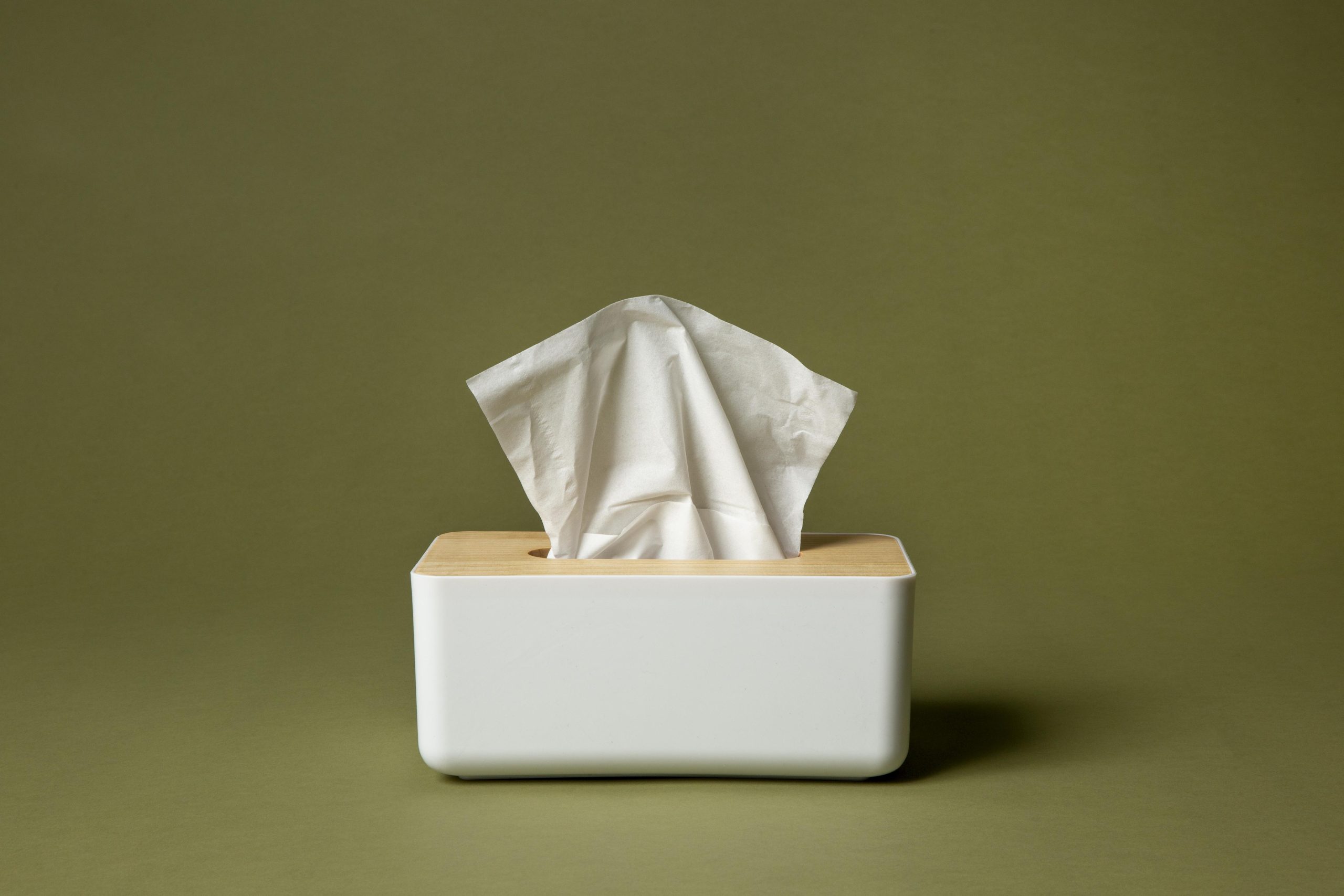
FiberTect decontamination wipe has gone to the Arctic Circle, informs Dr Seshadri Ramkumar.
Recently, Fredericksburg, VA-based First Line Technology has successful demonstrated the efficiency of cold weather decontamination during a training event at Samuel Simmonds Memorial Hospital in Utqiagvk, Alaska, using nonwoven dry decontamination wipe, FiberTect as a patient and responder decontamination wipe technology.
The hospital is in the northernmost part of the United States, 350 miles above the Arctic Circle—bordering the Arctic Ocean. The average temperature in this region is 17oF.
Samuel Simmonds Memorial Hospital is the only hospital which provides healthcare services in the North Slope Borough of Alaska. This area is prone to fentanyl and other opioid addictions issues, as well being in the oil drilling region, there is necessity that the first receiver teams are adequately equipped with decontamination technology that works in severe cold weather conditions.
Fibertect, dry decontamination wipe was invented in the Nonwovens & Advanced Materials Laboratory at Texas Tech University and is a model for lab to reality translational research. This technology is part of ‘Hybrid Decontamination,’ approach commercialised by Fredericksburg-based First Line Technology.
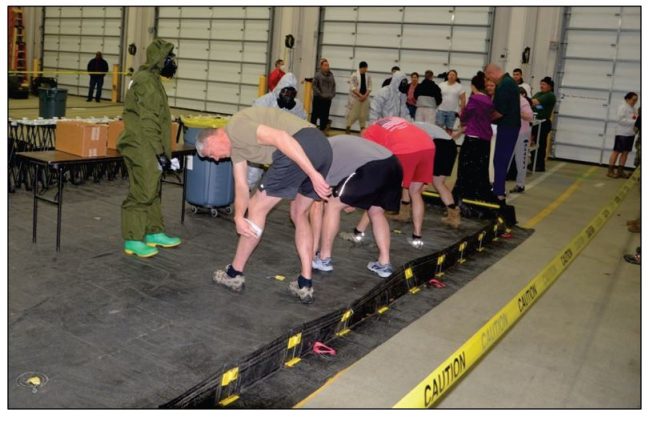
(Source: CRREL, US Army)
Normal liquid-based decontamination technologies are not efficient in extreme cold weather environment, which is 35oF and below. Therefore, in regions in the Arctic Circle such as the North Slope Borough in Alaska, patient decontamination and surface decontamination with soap and water is not feasible. During the training exercise the maximum temperature with high winds was only 14oF.
“FiberTect is allowing first receivers and first responders to perform effective decontamination in austere temperatures where other decontamination approaches may not be viable,†stated Corey Collings, Director at First Line Technology. The FiberTect nonwoven wipe due to its patented structure can effectively remove fentanyl and radiological particles, as well added Collings.
In the case of many toxic chemicals that have high vapour pressure, dry decontamination using FiberTect technology works. First Line Technology has perfected the protocol where contaminants like fentanyls are removed from the skin and other surfaces. These toxic substances can further be degraded using Dahlgren Decon.
The hybrid decontamination technology involves dry FiberTect with Dahlgren Decon or Dahlgren Part A soap depending on the nature of the contamination stated Collings.
FiberTect nonwoven technology is finding broader applications on its own and with decontamination solutions.
FiberTect wipe is attracting customers in the northernmost town in the United States in the Arctic region and overseas as well, informed Corey Collings. Government clients like U.S. Army have examined the performance of FiberTect as recently as 2022 in the Arctic Eagle exercise in Alaska.
About the author:
Dr Seshadri Ramkumar is a Professor, Nonwovens & Advanced Materials Laboratory in Texas Tech University, Lubbock, TX, USA.