


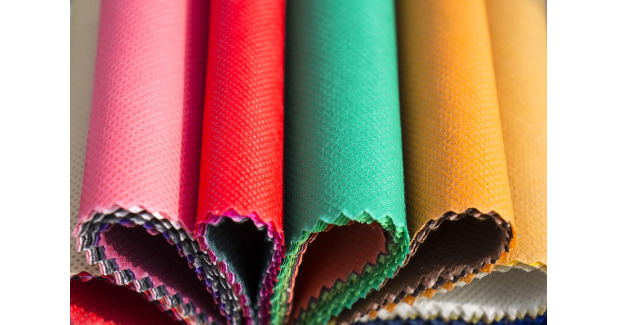
A village in the deep south of India starts manufacturing nonwoven shopping bags as part of “self-help†effort. Azhvarthirunagari, a village on the southeastern border of India, about 30 km from seashore is using nonwoven fabrics to manufacture multiple use shopping bags. Villagers with assistance from TVS Srinivasan Service Trust, a charitable arm of the leading TVS group of companies are resorting to self-help in creating jobs for unemployed youth and women.
It is pleasing to report that this initiative has some personal touch to see nonwoven products making inroads in to villages, and more importantly helping with job creation, since my effort to create practical awareness in this field by initiating USA-based Association of Nonwoven Fabrics Industry’s (INDA) first training workshop in Mumbai in 2007. Azhvarthirunagari happens to my village where I mostly spend time during summerâ€â€the nonwoven shopping bag initiative is in a way humble success to see the penetration of this technology, which has been my mission for 20-years. Indian government supported knowledge creation by collaborating with INDA, this scribe and many associations throughout India, since the mid-2000s.
The villagers are playing a major part in the “Avoid Single-Use Plastic,†initiative, which Honorable Narendra Modi, Indian Prime Minister launched recently and has rightfully encouraged the country to avoid using single-use plastic materials that pollute the environment. Single use thin grocery bags are a main source of contamination in cotton and marine environments.
Thirty women have been trained to convert nonwoven fabrics into shopping bags, which are marketed to nearby towns. These women now have access to disposable income and enhance confidence in them. This scribe’s village house serves as an abode for the cutting operation and warehouse. Conversion happens at participating women’s houses, so that they can work on the project amidst their home chores.
Each nonwoven bag is sold for less than 10 cents in wholesale markets, which is sold at one dollar each in super markets in the United States. Surely, this price point offers tremendous opportunities for the Indian group to look for larger markets.
“There is plan to go all cotton,†stated Ponnusamy Muthuramalingam, youngster involved in the initiative. We have identified cotton fabric source, added Ponnusamy. It was such a relish to know the enthusiasm and confidence in villagers like Ponnusamy and Ariharabalan Muthuramalingam.
Plans are emerging to connect the group with nonwoven marketing group, Chennai-based WellGro United, which has taken cotton nonwoven TowelieTM to global markets.
The nonwoven shopping bag project in Azhvarthirunagari with support from a major manufacturing company, TVS group is an inspirational story, that too from my own village in India. The villagers solve their problems on their own taking their responsibility seriously by working closely with civic agencies. In fact, they use social media effectively to organize and solve their day-to-day problems.
By: Seshadri Ramkumar, Professor, Texas Tech University, USA