Close Menu
Indian Textile Journal
  • Home
  • Market and Economy
    • Apparels & Garments
    • Fibres & Raw Materials
    • Home Textiles
    • Industry Update
  • Textile Machinery
    • Allied Equipment and Accessories
    • Automation
    • Dyeing, Processing & Finishing
    • Knitting
    • Printing
    • Spinning
    • Weaving
  • Tech Textiles
  • Sustainability
  • Resources
    • Trade Fair
    • Events
    • Videos
  • Interview & Opinion
  • Subscribe Now
  • Advertise
  • Digital
Facebook X (Twitter) YouTube LinkedIn
Indian Textile Journal
Epson
  • Home
  • Market and Economy
    • Apparels & Garments
    • Fibres & Raw Materials
    • Home Textiles
    • Industry Update
  • Textile Machinery
    • Allied Equipment and Accessories
    • Automation
    • Dyeing, Processing & Finishing
    • Knitting
    • Printing
    • Spinning
    • Weaving
  • Tech Textiles
  • Sustainability
  • Resources
    • Trade Fair
    • Events
    • Videos
  • Interview & Opinion
  • Subscribe Now
  • Advertise
  • Digital
Indian Textile Journal
Home » Lenzing’s way to measure softness in textiles
Apparels & Garments

Lenzing’s way to measure softness in textiles

By November 1, 20162 Mins Read
Share Facebook Twitter LinkedIn WhatsApp Copy Link

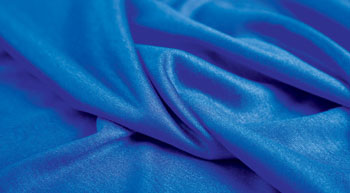
Lenzing is presenting a new method for measuring softness in textiles, together with the German instrument manufacturer, Emtec Electronic.

“We notice that softness is becoming increasingly important as a comfort factor in brands and with retailers. Lenzing Modal fibres are the softest fibres in our fibre portfolio. This is something you can feel,” commented Claudia Mommer, product manager for Lenzing Modal.

“However, an increasing number of customers are asking for measurements to explain the softness of our fibres in physical terms. Physical measurements are desired to confirm the individual’s feeling and directly persuade the consumer at the point of sale.”

To explain the complex process of softness in textiles and at the same time exclude personal preferences, physical measurement methods were developed to make softness visible, the company reports. These methods are well known in the scientific world. However, they are highly complex, according to the manufacturer.

A group specially formed at Lenzing Research, which devotes its research to physiological properties, searched for easier methods to measure softness. “In the search for existing measuring methods to test softness, we examined related industries and found an interesting instrument which appeared suitable to measure the softness of textiles,” explained Mohammad Abu Rous, head of the tests.

Previous ArticleGujarat marches ahead
Next Article Resource saving: Cost cutting with environmental protection

Related Posts

CMAI kidswear fair sees record participation 

June 11, 2026

Spykar plans pan-India offline expansion with 100 new stores in two years

June 9, 2026

CMAI hosts AI Masterclass to guide clothing businesses into the digital era

June 5, 2026
Recent Posts
  • Recycled fibres: the vital data for quality and profitability
  • Turning tariff relief into quality advantage in New Zealand 
  • Why texture has become the new currency of luxury interiors
  • How wall textiles are redefining interior design
  • Turning tariff relief into quality advantage in New Zealand 
  • Sustainable home textiles: Balancing design, durability and responsibility
  • Zagis Strengthens Competitiveness with Rieter Spinning System
  • The future of responsible apparel supply chains
Facebook X (Twitter) YouTube LinkedIn
  • About us
  • Contact us
  • Privacy Policy
  • Terms and Conditions

SISTER PUBLICATIONS

Construction World Equipment India Industrial Product Finder Infrastructure Today

© 2026 Indian Textile Journal. All Rights Reserved.

Type above and press Enter to search. Press Esc to cancel.