Close Menu
Indian Textile Journal
  • Home
  • Market and Economy
    • Apparels & Garments
    • Fibres & Raw Materials
    • Home Textiles
    • Industry Update
  • Textile Machinery
    • Allied Equipment and Accessories
    • Automation
    • Dyeing, Processing & Finishing
    • Knitting
    • Printing
    • Spinning
    • Weaving
  • Tech Textiles
  • Sustainability
  • Resources
    • Trade Fair
    • Events
    • Videos
  • Interview & Opinion
  • Subscribe Now
  • Advertise
  • Digital
Facebook X (Twitter) YouTube LinkedIn
Indian Textile Journal
Epson
  • Home
  • Market and Economy
    • Apparels & Garments
    • Fibres & Raw Materials
    • Home Textiles
    • Industry Update
  • Textile Machinery
    • Allied Equipment and Accessories
    • Automation
    • Dyeing, Processing & Finishing
    • Knitting
    • Printing
    • Spinning
    • Weaving
  • Tech Textiles
  • Sustainability
  • Resources
    • Trade Fair
    • Events
    • Videos
  • Interview & Opinion
  • Subscribe Now
  • Advertise
  • Digital
Indian Textile Journal
Home » Laser printing tech produces waterproof e-textiles in minutes
Industry Update

Laser printing tech produces waterproof e-textiles in minutes

By August 28, 20191 Min Read
Share Facebook Twitter LinkedIn WhatsApp Copy Link
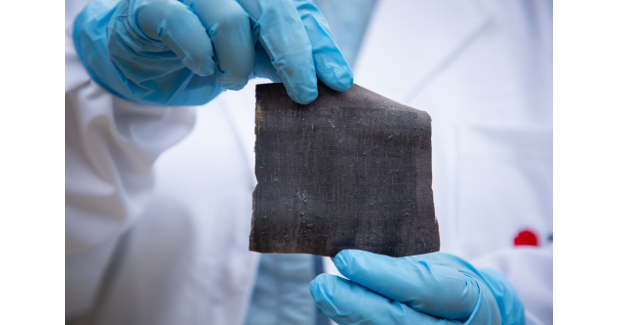
The next generation of waterproof smart fabrics will be laser printed and made in minutes. That’s the future imagined by the researchers behind new e-textile technology. Scientists from RMIT University in Melbourne, Australia, have developed a cost-efficient and scaleable method for rapidly fabricating textiles that are embedded with energy storage devices.
In just three minutes, the method can produce a 10x10cm smart textile patch that’s waterproof, stretchable and readily integrated with energy harvesting technologies.
The technology enables graphene supercapacitors — powerful and long-lasting energy storage devices that are easily combined with solar or other sources of power — to be laser printed directly onto textiles.
In a proof-of-concept, the researchers connected the supercapacitor with a solar cell, delivering an efficient, washable and self-powering smart fabric that overcomes the key drawbacks of existing e-textile energy storage technologies.
The growing smart fabrics industry has diverse applications in wearable devices for the consumer, health care and defence sectors — from monitoring vital signs of patients, to tracking the location and health status of soldiers in the field, and monitoring pilots or drivers for fatigue.
Previous ArticlePak to set up 1k industrial stitching units
Next Article Centre to skill 30,000 people in Meghalaya: Irani

Related Posts

India’s textile sector posts 2.1% growth in FY25-26

June 15, 2026

RSWM retains IND A rating as outlook turns stable

June 12, 2026

Meenakshi India reports FY26 revenue at Rs 1.58 billion

June 9, 2026
Recent Posts
  • Nesterra unveils new collection showcasing timeless luxury and craftsmanship
  • India’s textile sector posts 2.1% growth in FY25-26
  • RSWM retains IND A rating as outlook turns stable
  • Mumbai welcomes back HGH India 2026
  • Vipul Organics teams up with OMYA for European pigment distribution
  • ITM Istanbul 2026: ColorJet’s visibility extends across the entire exhibition
  • CMAI kidswear fair sees record participation 
  • Clean energy shift may save Tamil Nadu textiles Rs 32.50 billion
Facebook X (Twitter) YouTube LinkedIn
  • About us
  • Contact us
  • Privacy Policy
  • Terms and Conditions

SISTER PUBLICATIONS

Construction World Equipment India Industrial Product Finder Infrastructure Today

© 2026 Indian Textile Journal. All Rights Reserved.

Type above and press Enter to search. Press Esc to cancel.