


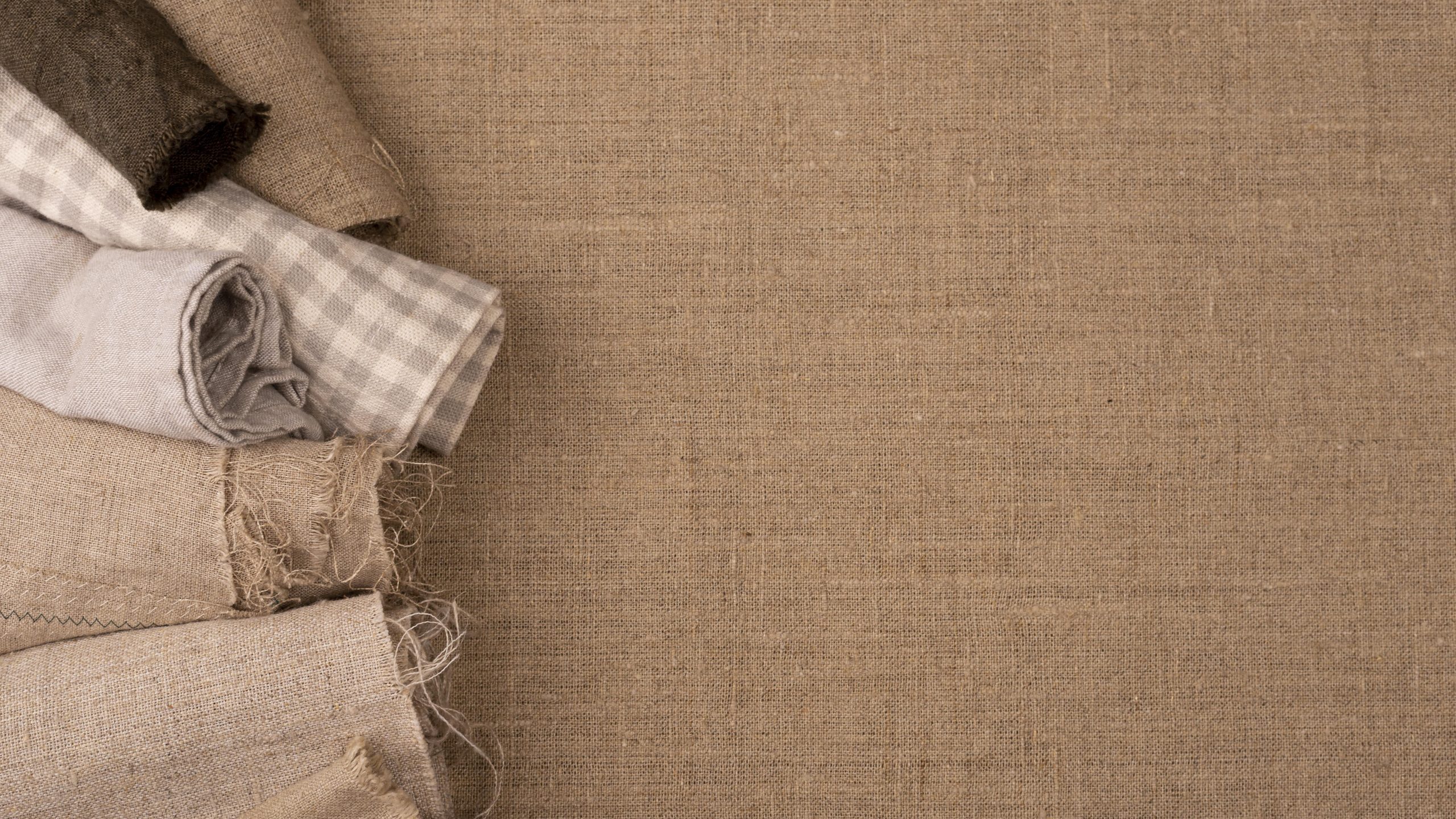
Let us view Khadi through a new lens – not as a mere product, but as a philosophy, informs R Vimala.
For centuries now Khadi is known as a coarse fabric, worn by leaders and part of India’s freedom movement. In that sense it is the Fabric of the Nation, yet Khadi isn’t just a fabric; it’s an idea. Woven into its coarse yet comforting threads are the struggles of a nation yearning for self-reliance, the echoes of Mahatma Gandhi’s call for Swadeshi, and the spirit of countless craftspeople who breathe life into this hand spun marvel.
In a world seduced by the glitz of fast fashion and mass-produced textiles, Khadi stands defiantly apart. Where others chase fleeting trends, Khadi finds its beauty in timelessness. As machines churn out endless yards of identical cloth, Khadi embraces the subtle imperfections borne from human touch. But Khadi isn’t simply a relic of the past. It is a bridge, connecting India’s artisanal heritage to its modern aspirations. Sustainable, ethical, and deeply rooted in local communities, Khadi embodies the principles that the world is scrambling to adopt. Let’s not forget, long before ‘eco-friendly’ was a buzzword, Khadi’s very existence was a sustainable choice. Critics may dismiss Khadi as outdated or simplistic, but that would be missing the point entirely. For fashionistas like Manish Malhotra, Sabyasachi are using them with pride.
Khadi isn’t meant to dazzle with fleeting trends. Its quiet elegance is one that deepens with time, much like the nation it represents. It reminds us to look beyond the superficial, to value craftsmanship over consumerism. While supporting Khadi means supporting rural livelihoods and village industries, it means more than just an economic act. To choose Khadi is to make a statement – about individuality in a world of mass production, about mindful consumption, and about an India that honours its roots even as it surges forward into a developed world.
Of course, Khadi faces challenges. It needs innovation in design to appeal to a wider audience, it needs patronage beyond symbolism, and it needs consistent quality control. But these are challenges worth overcoming because what Khadi represents is far too valuable to lose. Let us view Khadi through a new lens – not as a mere product, but as a philosophy. To quote the Prime Minister Narendra Modi, “Khadi for Nation, Khadi for Fashion, Khadi for Transformation”. Let’s wear it with pride, understand its significance, and be vocal in our support. Khadi may be spun from cotton, but it is the struggles, triumphs, and undying spirit of India that give it true strength.
Let’s wear Khadi, and wear it boldly, because it’s more than just cloth — it’s a testament to who we are, and who we strive to be.
About the author:
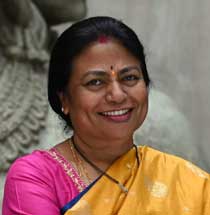
R Vimala is an IAS and the Chief Executive Officer of Maharashtra State Khadi and Village Industries Board. The Board has been established on April 11, 1960 by the Government of Maharashtra to promote Khadi and Village Industries in the State of Maharashtra, develop their organisation and regulate them under the Bombay Khadi and Village Industries Act, 1960 (as per Bombay Act No.19 of 1960). The board is totally autonomous.