Close Menu
Indian Textile Journal
  • Home
  • Market and Economy
    • Apparels & Garments
    • Fibres & Raw Materials
    • Home Textiles
    • Industry Update
  • Textile Machinery
    • Allied Equipment and Accessories
    • Automation
    • Dyeing, Processing & Finishing
    • Knitting
    • Printing
    • Spinning
    • Weaving
  • Tech Textiles
  • Sustainability
  • Resources
    • Trade Fair
    • Events
    • Videos
  • Interview & Opinion
  • Subscribe Now
  • Advertise
  • Digital
Facebook X (Twitter) Instagram
Thursday, May 28
Facebook X (Twitter) Instagram
Indian Textile Journal
Epson Advertisement
  • Home
  • Market and Economy
    • Apparels & Garments
    • Fibres & Raw Materials
    • Home Textiles
    • Industry Update
  • Textile Machinery
    • Allied Equipment and Accessories
    • Automation
    • Dyeing, Processing & Finishing
    • Knitting
    • Printing
    • Spinning
    • Weaving
  • Tech Textiles
  • Sustainability
  • Resources
    • Trade Fair
    • Events
    • Videos
  • Interview & Opinion
  • Subscribe Now
  • Advertise
  • Digital
Indian Textile Journal
Home » India to turn self-sufficient in silk in 2 years: Smriti Irani
Industry Update

India to turn self-sufficient in silk in 2 years: Smriti Irani

By September 17, 2019Updated:December 16, 20211 Min Read
Share Facebook Twitter LinkedIn
Share
Facebook Twitter LinkedIn Pinterest Email Copy Link

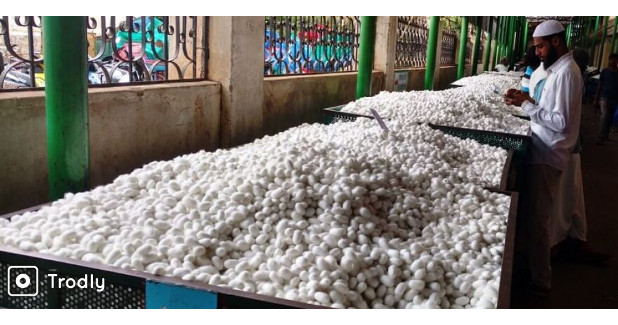
India, which ranks second after China in silk production, would become ‘completely self-sufficient’ in silk in the next two years, textiles minister Smriti Irani said recently. Technical textiles are the future of textiles and the government is extremely keen on supporting and taking forward this sector, she at an event organised by a top business chamber.

Textiles are even used by the Indian Space Research Organisation—its shuttle programme uses a carbon-based textile from one of its establishments in Ahmedabad. The event was organised in New Delhi by the Federation of Indian Chambers of Commerce and Industry.

India produces a cotton variety called Shankar that is better in quality than Egyptian cotton, she said.

“… So it’s also about finding your marketing avenues for the raw material that we have in our country, the other larger producer of cotton and jute. Till you don’t realise your strengths, you cannot have more people interested in that avenue of industry,” she added.

silk Silk Industry silk production smriti irani textile minister
Share. Facebook Twitter Pinterest LinkedIn Tumblr Email Copy Link
Previous ArticleTextile films’ market growing at CAGR of 8.6%
Next Article Gujarat tops on logistics performance index

Related Posts

RIICO begins plot allotment at Rupaheri Textile Park in Bhilwara

May 18, 2026

Tamil Nadu CM seeks PM Modi’s intervention to scrap 11% cotton import duty

May 18, 2026

MoT and ICRIER partner to strengthen data-driven textile policymaking

May 18, 2026
Recent Posts
  • CAI estimates cotton crop at 334 lakh bales
  • Nesterra’s At Home series crosses 100M views
  • Groz-Beckert to showcase textile innovations at ITM 2026
  • Improve Competitiveness with Low Investment using Gentle Spinning
  • Certified or Compromised?
  • Jason Kent: The India-UK coalition is the enabler to turn talk into real action
  • Elastic Yarns Reinvented
  • Rahul Bhajekar: Industry bodies are all showing growing interest in traceability
Facebook X (Twitter) YouTube LinkedIn
  • About us
  • Contact us
  • Privacy Policy
  • Terms and Conditions

SISTER PUBLICATIONS

Construction World Equipment India Industrial Product Finder Infrastructure Today
© 2026 Indian Textile Journal. All rights reserved.

Type above and press Enter to search. Press Esc to cancel.