


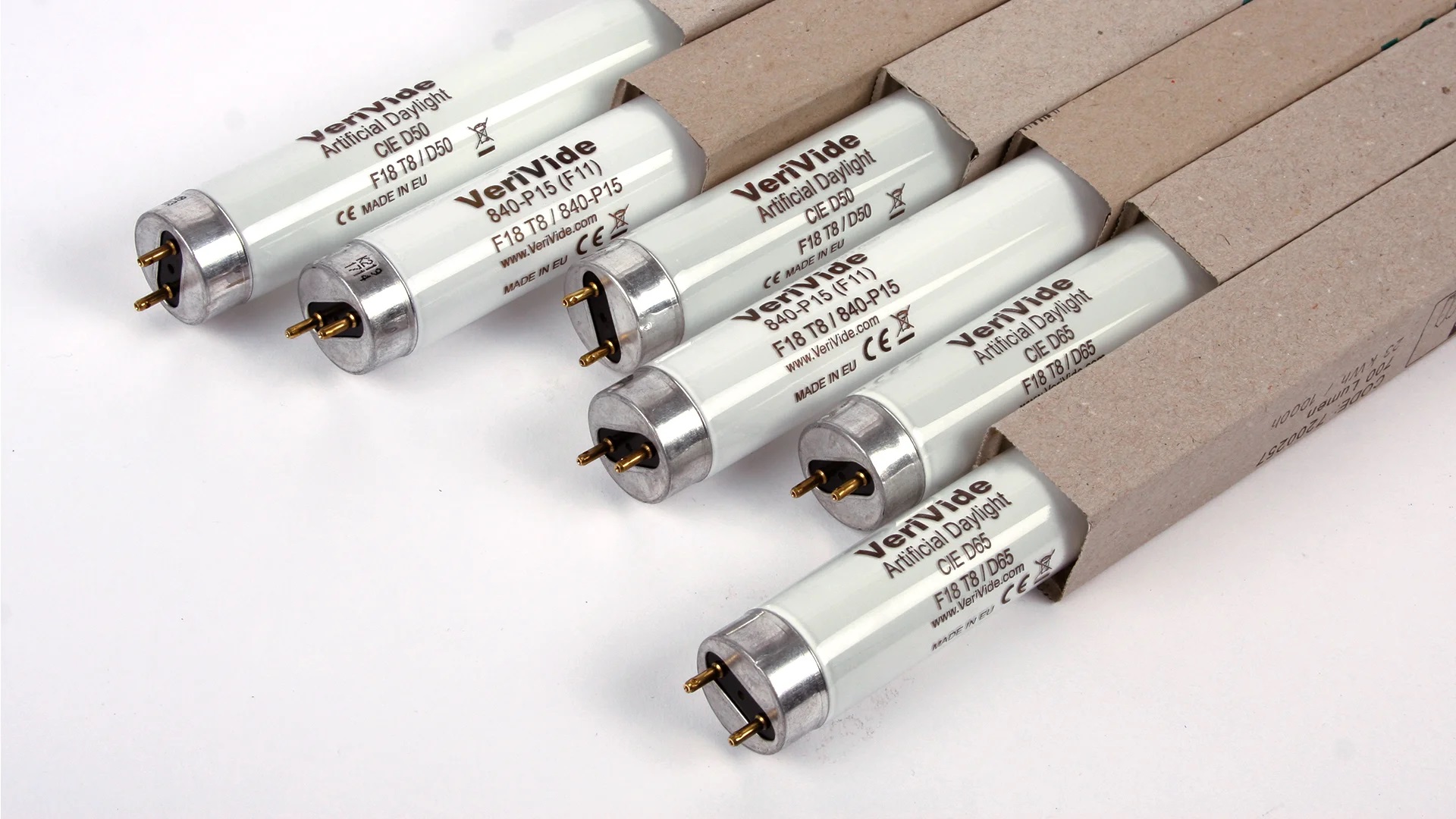
The British Textile Machinery Association (BTMA) is alerting apparel brands, retailers and their supply chain partners to an important change taking place this month.
As of 24 February 2025, the sale of all fluorescent lighting will officially come to an end in the EU and UK, with potentially significant implications for everyone along the supply chain – from designers and fabric manufacturers through to merchandisers and window display artists.
Eliminating mercury
“The phase-out of fluorescent lamps has been in progress for some years because they contain mercury which can be damaging to health,†explains Jason Kent, CEO, BTMA. “Lamps containing mercury were banned for general use in August 2023, impacting lighting in homes, factories and retail environments, but an exemption was granted for specialist applications such as visual and digital colour assessment until this month.â€
“So far, the legislation only initially applies in Europe and the UK but will rapidly be adopted globally and this means that specialist light booth manufacturers such as our member company VeriVide will no longer be able to sell new fluorescent-based light booths.â€
“Colour consistency is vital throughout the textile supply chain and all participants – from designers to fabric and garment manufacturers – have to be working under the same lighting conditions to guarantee it,†adds VeriVide Sales Director Adam Dakin “The colour-matching that is carried out under fluorescent lamps in labs and design offices and passes through successive process steps in manufacturing can come out looking very different once it’s displayed in store under LEDs. This can result in very costly products returns, and even complete batch recalls.â€
Colour ecosystem
VeriVide has spent the last decade developing and optimising its industry-leading all-LED light booths as part of its ecosystem of products specifically designed for instantly communicating colour decisions, colour fastness gradings, test reports and more, incorporating the DigiEye and DigiView digital colour measurement systems.
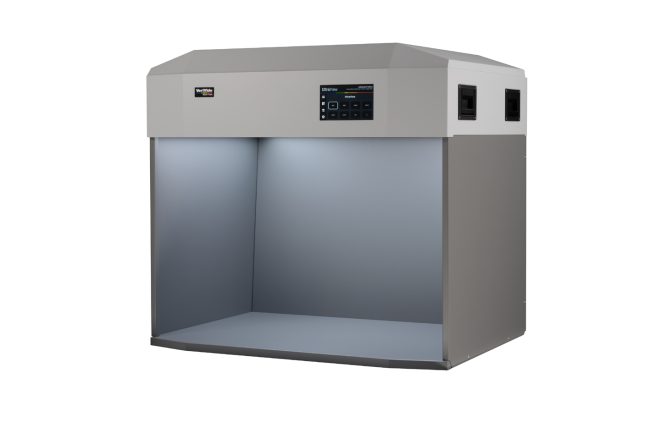
“What the ban means is we’ll no longer be able to manufacture fluorescent light booths,†says Adam. “What we will have going forward is the UltraView all-LED technology. We do, however, have a stock enabling customers to buy replacements for their existing light booths before transitioning to UltraView.â€
Retail adoption
Since its launch in 2023, Ultra-View all-LED technology has already been successfully adopted by leading retail brands including H&M, George by Asda, Marks & Spencer, NEXT, River Island and Tesco.
“With UltraView from VeriVide, we are confident that we have future-proofed our capability for the visual assessment of colour,†says Gary Timmons, fabric technologist at NEXT.
“LED technology is the ideal alternative to fluorescent lighting being both mercury-free and using significantly less energy,†says Jason Kent in conclusion. “It’s vital that all players are working to the exact specs, especially because the textile supply chain can be so complex.â€