


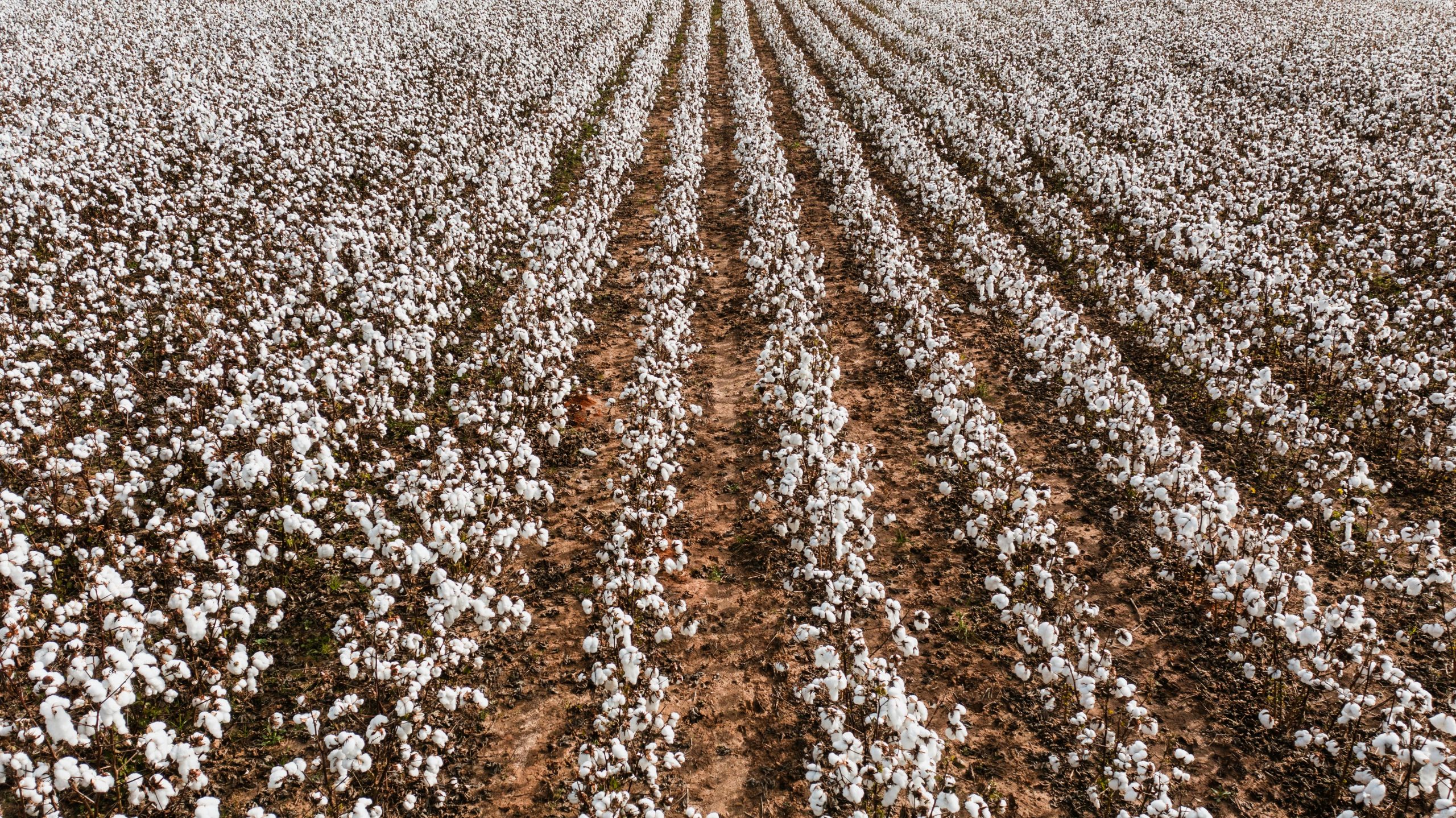
The industry needs to engage in better outreach efforts, find new and industrial applications for cotton and invest in research to come out with new chemistries, informs Dr Seshadri Ramkumar.
Cotton sector is looking for a better year and pickup in demand.
Mills are buying cotton but there is a need for an uptick in demand.
On April 2, 2024, about 350 people gathered in Lubbock for the 67th annual meeting of the Plains Cotton Growers (PCG). Martin Stoerner, PCG’s President opened the meeting stating the last two years have been tough for the producers, but the industry is resilient and hopes for a better 2024.
The recent USDA’s Prospective Planting report shows that the US producers are expected to plant 10.7 million acre, which is up from 10.26 million acre planted last year. However, industry leaders expect the planted acreage this year to be in the range of 11 to 11.5 million acre.
“Demand is weak but improving,†stated Jody Campiche, Vice President of Economics and Policy Analysis, National Cotton Council. Global economy and competition from other fibres play an important part in impacting the demand for cotton. There needs to be a significant improvement in GDP to see major change in demand, added Campiche. In addition to the economy, just in time inventory practiced by global mills also impact excessive buying and stockpiling stated a cotton merchant.
Industry is optimistic and is hoping for improved demand by the end of 2024. With the moisture situation better than what it was last year in the High Plains of Texas, it is hoped that production will improve. There will be less abandonment, increasing the chances for improved supply. This will necessitate demand enhancement to yield better prices for the farmers as the cost of production has increased by 30 per cent in recent years.
With slow demand and the left-over stock from the 2023 crop, the current price levels may be due to speculation, which is the sentiment shared by cotton economists whom I interacted with at the meeting. Looking at long term scenario, the slow birth rates in developed economies and stagnant population in China, albeit the relaxation in childbirth policy there, demand for consumer goods like textiles will be impacted.
The cotton industry has competition from synthetics, which are cheaper than cotton. In addition, there is growing competition for markers among leading exporting nations.
What should the industry plan and do? Telling positive stories about sustainability, traceability and engaging not only with brands but also with consumers as being done by the United States-based Cotton Incorporated become important.
Additionally, better advocacy for supportive policies in a collective fashion is much needed. “Advocacy is a team sport,†stated Kody Bessent, CEO of Plains Cotton Growers.
The industry needs to engage in better outreach efforts, find new and industrial applications for cotton and invest in research to come out with new chemistries, and environmentally friendly post-harvest processing technologies.
Efforts to boost the demand and promote sustainability values of cotton will be the collective task of the global cotton sector.
About the author:
Dr Seshadri Ramkumar is a Professor, Nonwovens & Advanced Materials Laboratory in Texas Tech University, Lubbock, TX, USA.