


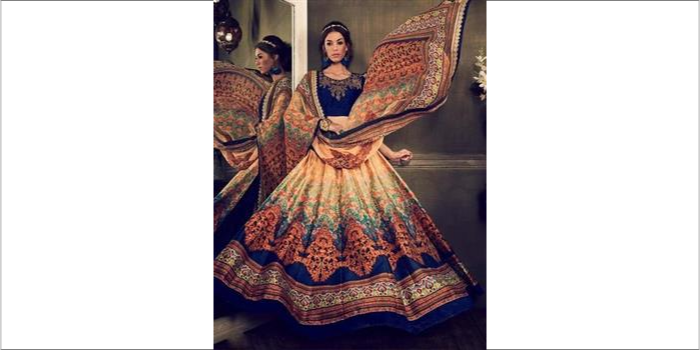
In today’s era, where the western traditions and culture have seemingly manipulated our livelihood and the markets, there is still plenty amount of love for Indian ethnic and traditional wear. India is a country of festivals and big fat Indian weddings, traditional Indian wear can never go out of fashion! Brands like BIBA, LAKSHITA, W, and so on have set in global distribution and recognition worldwide. These brands are not only loved in India but also preferred across the globe.
Also read: Humanity in Fashion – Why does it matter?
As time flies by, fashion trends tend to change according to it, be it western or Indian. The change in the market and the styles speaks about the importance of the brands in changing the course of fashion. The entertainment industry has a great impact on how fashion trend changes and influences millions of civilians to follow the same. Bollywood especially plays a very important role in influencing the minds and shaping the fashion for that particular era. Fashion influencers from all over the globe have the same amount of impact on fashion trends as celebs do.
Also read: Moda Biella will always remain faithful to quality
Following the rise of Internet and smartphone usage, more women are now able to stay au courant of latest fashion trends and have become smart consumers who know what they want when it comes to the clothes they adorn. ‘Unique, chic, bold, and the same time classy and elegant’ is the new style statement, and Indian women confidently demonstrate these traits with what they wear. Smart pantsuits, body con dresses have become an integral part of the corporate women’s wardrobe, while designer wear and high street fashion are slowly becoming the norm at soirées. Irrespective of how today’s women dress, they always make a statement with what they wear. Form the early 60’s to date each style has its way of expressing feelings. Women today being bold and outgoing need something which makes them feel so, back then the Indian style showed how fragile and delicate women were. As we change our ideologies with time, the fashion statement needs to showcase exactly how we feel and what we want to express.
Also read: Ferrara’s new collection for Indian market
“From Salwar Kameez to bell-bottoms to high-street fashion, Indian fashion has undergone significant transformation through the decades.â€Â
While the changes in Indian ethnic brands and fashion have been documented since ancient times across the world, these variations mostly reflected the social and political scenario of the country, rather than being a popular practice to aide by. Indian brands are known for their texture and comfort. Today, brands like Fab India and BIBA have reached the global level and set a statement along with other international brands. The youth of today prefer it to be simple and classy. Too much to handle is something that does not stand in the market for long. Considering what the youth wants, fashion industries have accepted the Indian ethnic brands to be the best example for them. As we know, Indians are settled all over the world and hence the demand for Indian ethnic wear would never be out of trend. Styling ethnic and western wear together is one of the most trendy fashion statements currently going on all across the country.
From trending versatile sarees to the humble salwar kameez, or the Indo-western fusion of wearing a kurta with jeans, many women have managed to adapt various trends in fashionable clothing without compromising on the beauty of all things Indian. However, one should know that fast fashion is a trend, and while some styles manage to become timeless classics, other trends only enjoy a brief hype before they die down. Nevertheless, the fashion industry in India is constantly transforming and growing, irrespective of such trends. Even the Victoria Secret models like Gigi Hadid was seen wearing a traditional kurta on Eid. Other successful Hollywood actors like the former Baywatch babe, Pamela Anderson was spotted wearing a lovely pristine white saree, when she made an entrée into the Indian version of Big Brother- Big Boss.
Nicole Scherzinger PCD singer lead, may have challenged the boys out there with her top hit “Don’t Cha Wish Your Girlfriend Was Hot Like Me†and truly so she did the same with her band of girls in all black sarees, with gold borders.
Supermodel Naomi Campbell, ‘Black Beauty’ of western fashion as she is known, strutted in a sheer black embossed saree by Sabyasachi.
Paris Hilton and other great actresses have made a statement wearing Indian brands like Sabyasachi and other ethnic designers have rocked the outfit too!
The market for women’s fashion in India is probably the most lucrative in terms of variety and scope. Even international fashion houses and brands have begun to focus on the immense potential for growth in this segment. However, popular brands are not the only ones driving the growth of India’s fashion industry. Keeping in mind the climate change and the pandemic, the manufacturing industry had to go through a lot of changes too. Rather than going for something synthetic, people now prefer wearing cotton clothes to suit the climate. The fusion of sustainable fashion with Indian ethnic wear has become the flag bearer of change within the fashion industry!
– The article is authored by Yashraj Bhaiya of Label Varsha