Close Menu
Indian Textile Journal
  • Home
  • Textile Machinery
    • Allied Equipment and Accessories
    • Automation
    • Dyeing, Processing & Finishing
    • Knitting
    • Printing
    • Spinning
    • Weaving
  • Tech Textiles
  • Sustainability
  • Resources
    • Trade Fair
    • Events
    • Videos
  • Interview & Opinion
  • Subscribe Now
  • Advertise
  • Digital
  • Apparels & Garments
  • Fibres & Raw Materials
  • Home Textiles
  • Industry Update
Facebook X (Twitter) YouTube LinkedIn
Indian Textile Journal
Epson
  • Home
  • Textile Machinery
    • Allied Equipment and Accessories
    • Automation
    • Dyeing, Processing & Finishing
    • Knitting
    • Printing
    • Spinning
    • Weaving
  • Tech Textiles
  • Sustainability
  • Resources
    • Trade Fair
    • Events
    • Videos
  • Interview & Opinion
  • Subscribe Now
  • Advertise
  • Digital
  • Apparels & Garments
  • Fibres & Raw Materials
  • Home Textiles
  • Industry Update
Indian Textile Journal
Home » Augmented reality: Immaculate digital experiences for manufacturing sector
Automation

Augmented reality: Immaculate digital experiences for manufacturing sector

By November 1, 20211 Min Read
Share Facebook Twitter LinkedIn WhatsApp Copy Link

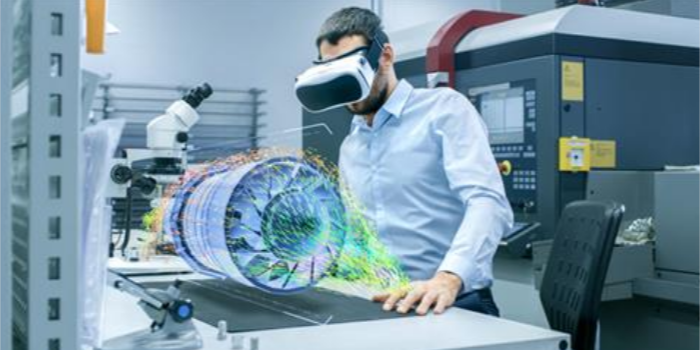
Just like IT or engineering services industry, Augmented Reality (AR) experiences services is the next big opportunity as many companies will leverage AR to further their goals of digitalization and derive added benefits, says Atul Marwaha, EVP, DesignTech Systems.

Augmented Reality (AR) is set to revolutionise the way in which companies have been communicating and sharing products/systems information. Digitalization trend was imminent and key to the success and competitiveness of the companies. But in reflection on the pandemic scenario, it has become a necessity and assumed an even greater significance for companies of all sizes. Digitalization is now imperative for companies to manage their operations remotely and in the best possible way. Companies have since then moved up their plans for achieving their goals in process and operations digitalization. By expediting their timelines, they want to stay prepared for a future, which as of now looks uncertain at the best.

Previous ArticleTextile chemicals market size to reach $ 29.40 bn in 2028
Next Article How simulation technology can help manufacturing industry

Related Posts

How tech-enabled ecosystems are powering the next phase of textile manufacturing

May 29, 2026

How Thermal Shock Cleans High-Speed Factories

April 23, 2026

Specialised fibres drive global textile machinery market: Ralph von Arx

March 24, 2026
Recent Posts
  • CMAI’s 83rd National Garment Fair sets record with 48,500 trade buyers
  • Myntra integrates AI throughout customer discovery, seller onboarding, and product development
  • Rieter transforms with major man-made fibre acquisition
  • Chhattisgarh secures Rs 9.73 bn in new textile investments
  • Karl Mayer’s RJ 4/2 EL redefines body mapping and creative design
  • Vector Consulting Group launches report on how ecosystem reform could add $7 bn to India’s garment exports
  • TechnoSport expands logistics footprint with new 64,000 sq ft facility in Hosur
  • Woolmark showcases innovation and sustainability in Indian Textiles at Bharat Tex 2026
Facebook X (Twitter) YouTube LinkedIn
  • About us
  • Contact us
  • Privacy Policy
  • Terms and Conditions

SISTER PUBLICATIONS

Construction World Equipment India Industrial Product Finder Infrastructure Today

© 2026 Indian Textile Journal. All Rights Reserved.

Type above and press Enter to search. Press Esc to cancel.