Close Menu
Indian Textile Journal
  • Home
  • Market and Economy
    • Apparels & Garments
    • Fibres & Raw Materials
    • Home Textiles
    • Industry Update
  • Textile Machinery
    • Allied Equipment and Accessories
    • Automation
    • Dyeing, Processing & Finishing
    • Knitting
    • Printing
    • Spinning
    • Weaving
  • Tech Textiles
  • Sustainability
  • Resources
    • Trade Fair
    • Events
    • Videos
  • Interview & Opinion
  • Subscribe Now
  • Advertise
  • Digital
Facebook X (Twitter) YouTube LinkedIn
Indian Textile Journal
Epson
  • Home
  • Market and Economy
    • Apparels & Garments
    • Fibres & Raw Materials
    • Home Textiles
    • Industry Update
  • Textile Machinery
    • Allied Equipment and Accessories
    • Automation
    • Dyeing, Processing & Finishing
    • Knitting
    • Printing
    • Spinning
    • Weaving
  • Tech Textiles
  • Sustainability
  • Resources
    • Trade Fair
    • Events
    • Videos
  • Interview & Opinion
  • Subscribe Now
  • Advertise
  • Digital
Indian Textile Journal
Home » Indian weavers prefer beams from KARL MAYER
Industry Update

Indian weavers prefer beams from KARL MAYER

By May 28, 20211 Min Read
Share Facebook Twitter LinkedIn WhatsApp Copy Link

Mumbai

The textile industry witnessed a slowdown due to the pandemic in 2020. Towards the latter half of 2020, however, a sudden rise in demand for home textiles overseas and from the domestic market spurred weaving units to install a large quantity of weaving machines; many of existing units were able to fully utilise their weaving capacities.

Over the past years, there has been a significant increase in shuttleless looms in the country due to the demand for quality fabrics and also favourable government policies for the power loom sector. While it appears as though the future looks bright for weavers in India, most micro, small and medium enterprises (MSMEs) are under pressure to upgrade the technologies they use, both improving quality while cutting costs to remain competitive. This has forced individual units to band together and form strategic alliances or become part of a common cluster so that they are able to reap the cost advantages of economies of scale.

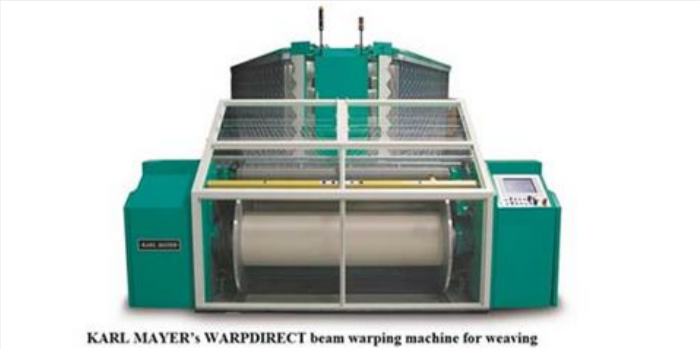
Shuttleless weaving in India continues to grow with high-speed air-jet and rapier technologies. Weavers are also looking at other technologies to gain a competitive edge. Two additional, notable technological developments related to weaving include KARL MAYER’s PROSIZE and WARPDIRECT.

Previous ArticleCosmo Speciality Chemicals launches Microenz BS for textile Industries
Next Article Alchemie & HeiQ to create low-cost textile finishing

Related Posts

PDS earns Great Place to Work recognition in 10 countries

June 2, 2026

Turkmenistan sees focus on high-tech Italian textile machinery

May 29, 2026

Groz-Beckert to showcase textile innovations at ITM 2026

May 27, 2026
Recent Posts
  • Trützschler IDF 3 unlocks short fibre processing potential
  • World Environment Day 2026 – 5 wardrobe choices combining style and sustainability
  • MiRooh unveils cosmic candy bedroom collection
  • CMAI hosts AI Masterclass to guide clothing businesses into the digital era
  • PDS earns Great Place to Work recognition in 10 countries
  • NITMA welcomes cotton import duty waiver
  • Cotton imports exempted from customs duty
  • Trident Group and ICAR-NINFET explore tie-up for natural fibre home textiles
Facebook X (Twitter) YouTube LinkedIn
  • About us
  • Contact us
  • Privacy Policy
  • Terms and Conditions

SISTER PUBLICATIONS

Construction World Equipment India Industrial Product Finder Infrastructure Today

© 2026 Indian Textile Journal. All Rights Reserved.

Type above and press Enter to search. Press Esc to cancel.