


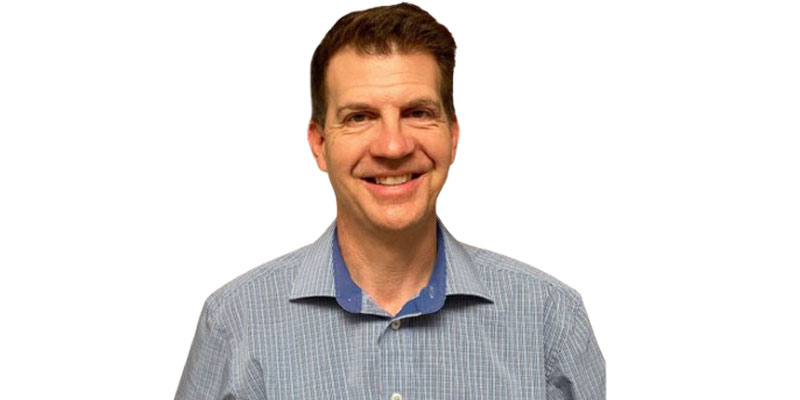
In this interview, Ralph von Arx, Managing Director, Retech AG, elaborates on effect of specialised fibres on the global textile machinery market and the company’s plans for India.
Headquartered in Switzerland, Retech is a global leader in providing high-quality components, machinery, and in-process monitoring systems for synthetic filament production. The company sees significant opportunities in India, especially in niche and specialty applications, where its solutions help improve performance and differentiate producers, states Ralph von Arx, Managing Director, Retech AG.
As a global leader in synthetic fibre processing solutions, how is Retech AG serving the global textile industry? Could you also share some of your recent technological developments?
Retech serves the global textile industry by providing high-precision machinery for the drawing and thermal treatment of synthetic fibres. Our components are carefully designed and adapted to each customer’s process, ensuring consistent quality, optimal performance, and energy efficiency.
Recent technological developments include high-temperature systems with monitoring for bearing temperatures, induction heaters, and vibrations, which help extend the service life of key components. We have developed systems with precise drives and additional sensors to maintain a stable and accurate temperature profile across the roll surface, crucial for specialty applications like medical fibres.
How do you view the current landscape of the global textile machinery market? Which factors are driving demand for advanced synthetic fibre processing technologies?
The global textile machinery market is shaped by increasing demand for specialized fibres, digitalization, automation, and sustainability. Manufacturers are seeking solutions that enable precise process control, energy efficiency, and reliable operation. At the same time, geopolitical uncertainties and cautious investment behaviour mean that machinery with long service life and consistent performance is highly valued.
How important is the Indian market for Retech?
India is an important market for us. We already supply leading Indian machinery manufacturers with our equipment. We hope that Indian yarn producers will increasingly focus on niche and specialty applications. This would allow us to support them with our machines and solutions, helping them differentiate from the mainstream and create additional value.
What opportunities do you see in India, and what are your company’s plans to expand its presence in the country?
We aim to support Indian customers by encouraging the maintenance of older extrusion lines in good condition, equipping them with new godets as needed. Often, cost-saving measures limit such upgrades, which can reduce output and production volumes. With targeted, manageable, and meaningful investments, existing extrusion lines can be optimised to achieve improved performance and a fast return on investment.
With the Government of India focusing on strengthening the man-made fibre (MMF) ecosystem in the country, how can your company support Indian manufacturers in achieving these objectives?
Retech can support Indian manufacturers by providing customised solutions for drawing and thermal treatment of synthetic fibres. By upgrading existing lines, optimising energy use, and ensuring precise process control, we help customers increase output, improve fibre quality, and strengthen their position in specialized market segments.
The India–European Free Trade Association agreement came into force on October 1, 2025. Do you think this development will enhance collaboration between Swiss technology companies and India’s textile industry?
Absolutely. The free trade agreement is beneficial, and we have already made several deliveries under it, with our customers seeing the benefits.
Looking ahead, what key trends do you expect to shape the global synthetic fibre processing sector over the next decade, and how is your company positioning itself to respond to these shifts?
We expect strong growth in specialised and high-performance fibres, increased automation, digitalization, and energy-efficient production. Retech is responding by continuously improving process efficiency, developing precision-controlled godets, and offering solutions tailored to emerging fibre types and applications.
What is your outlook for 2026, and what growth plans do you have for India?
In 2026, we plan to further strengthen our position as a leading supplier of godets while expanding our solutions for specialty fibre production. In India, we aim to support both machinery manufacturers and yarn producers with reliable, long-lasting, and energy-efficient solutions, helping them optimize existing lines and explore new niche applications.