


Nonwovens and industrial textiles industry develops many products which are life savers, contribute to environmental protection and provide jobs, informs Dr Seshadri Ramkumar.
Advanced textiles sector such as hygiene and medical nonwovens needs to effectively outreach and engage with the end-user community.
Technical textiles use different fibres such as those that have functionality and those that are sustainable such as cellulose based. This technical information needs to be provided to practitioners like doctors, nurses, and laboratory personnel. In addition, disposal aspects, safe practices and sustainability efforts by the PPE industry must be relayed to those who use them daily. The end-user community is broad and hence the industrial and trade associations in the field can help the sector with engagement and outreach. The outreach efforts will help with greater buy-ins for the nonwovens and advanced textile products.
Nonwovens and industrial textiles industry develops many products which are life savers, contribute to environmental protection and provide jobs. The usefulness and details of the products need to be shared with the end-user community such as medical practitioners, nurses, hospital staff, emergency personnel, to name a few.
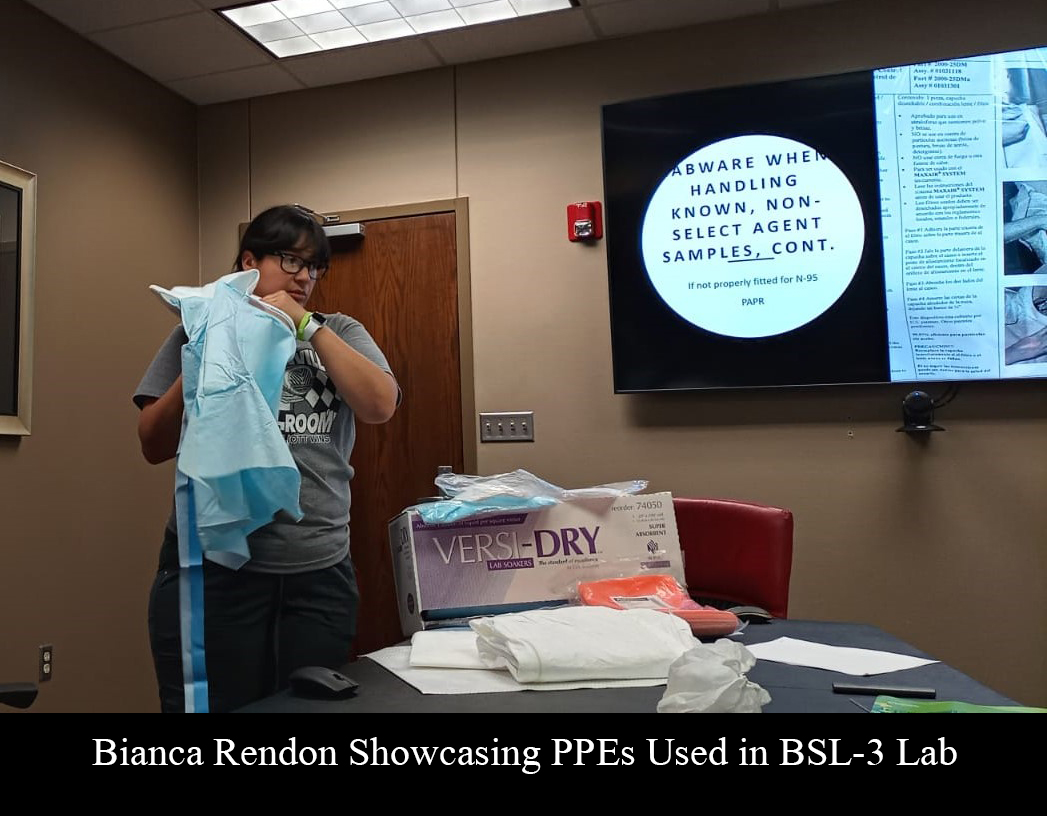
The outreach efforts will help with greater understanding on the characteristics and functionalities of these value-added products and will result in greater acceptance and buy-ins by the users. This aspect was evident in a presentation done in my graduate class on Fiber Forensics on April 11 by Bianca Rendon, researcher with the Biosafety Response Laboratory at Texas Tech University. This laboratory is a BSL-3 laboratory headed by Professor Steven Presley and was the first laboratory in the State of Texas to undertake the COVID-19 testing, when the pandemic broke out in early 2020 in the United States. The presentation highlighted different nonwoven and cotton-based textiles that are used daily by the personnel in biosafety laboratories.
“PPEs are life savers,†stated Rendon who uses different types of nonwoven-based PPEs daily when testing select and non-select biological agents.
Products such as PPEs with cotton cuffs, laminated and absorbent wipes, protective shrouds and helmets are a myriad of advanced textile products that are needed in medical and biological safety laboratories. “Practitioners like me will benefit if the industry provides us with information on the structure, finish applied on the products we touch and use on a daily basis,†added Rendon.
Technical textiles that are used in PPEs use different structures such as woven, nonwovens and laminates. Common fibres used are polypropylene in the case of nonwovens, medical drapes and coats use blends such as cotton, polyester, rayon, etc.
“I understood the different structures and functionalities of fibres after attending the Fibre Forensics class, and hence it will be useful if the industry reaches out to actual users of the products,†emphasised Rendon.
It was evident from the discussion that the user-community is interested in using safe methods, cost effective single use products and explore sustainable ways and products towards use and disposal.
The technical textiles sector has a lot of opportunities to penetrate different market segments by effective outreach and engagement with the daily user-community.
About the author:
Dr Seshadri Ramkumar is a Professor, Nonwovens & Advanced Materials Laboratory in Texas Tech University, Lubbock, TX, USA.