Close Menu
Indian Textile Journal
  • Home
  • Textile Machinery
    • Allied Equipment and Accessories
    • Automation
    • Dyeing, Processing & Finishing
    • Knitting
    • Printing
    • Spinning
    • Weaving
  • Tech Textiles
  • Sustainability
  • Resources
    • Trade Fair
    • Events
    • Videos
  • Interview & Opinion
  • Subscribe Now
  • Advertise
  • Digital
  • Apparels & Garments
  • Fibres & Raw Materials
  • Home Textiles
  • Industry Update
Facebook X (Twitter) YouTube LinkedIn
Indian Textile Journal
Epson
  • Home
  • Textile Machinery
    • Allied Equipment and Accessories
    • Automation
    • Dyeing, Processing & Finishing
    • Knitting
    • Printing
    • Spinning
    • Weaving
  • Tech Textiles
  • Sustainability
  • Resources
    • Trade Fair
    • Events
    • Videos
  • Interview & Opinion
  • Subscribe Now
  • Advertise
  • Digital
  • Apparels & Garments
  • Fibres & Raw Materials
  • Home Textiles
  • Industry Update
Indian Textile Journal
Home » Nebraska researcher uses sorghum for textile dye
Industry Update

Nebraska researcher uses sorghum for textile dye

By September 7, 20171 Min Read
Share Facebook Twitter LinkedIn WhatsApp Copy Link

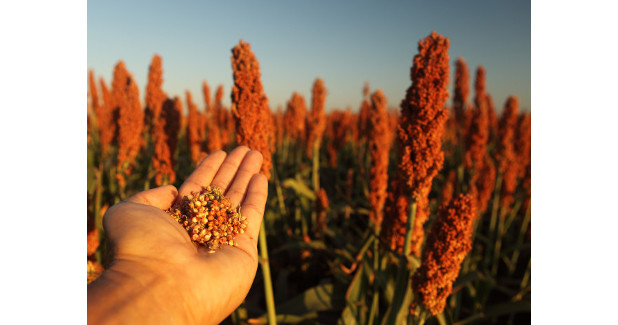
Nebraska researcher Yiqi Yang is using the by-products of sorghum as a colorant for textiles. The Charles Bessey Professor of biological systems engineering and of texiles, merchandising and fashion design is using wool to start his research, but hopes that in the future sorghum can be used on other textiles and throughout many industries. Sorghum is a cereal grain used for food in some countries, but in the US it is commonly used as livestock feed and turned into ethanol. Sorghum is also a major source for making liquor. The grain tends to be drought resistant, making it a popular crop to grow in dry climates.

After using the sorghum starch for industrial applications, the coproducts and byproducts that remain are called distillers grains. Distillers grains from corn digests easier than sorghum, so Yang’s research looks to add a better value application for the sorghum industry for Nebraska. Yang and a group of PhD students are currently working to see if the higher cross-linked proteins can have industrial applications, such as food-packaging materials or fibres for textiles.

Previous ArticleUS asks UN to block textile exports from N Korea
Next Article Kornit Digital’s Vulcan printer bags top SGIA award

Related Posts

Vipul Organics starts operations at greenfield facility in Sayakha, Gujarat

August 24, 2026

“The value of handloom lies precisely in the time, skill and human effort that goes into making it.”

August 21, 2026

Vipul Organics Q1 FY27 PAT rises 99.75% as revenue grows 38.44%

August 18, 2026
Recent Posts
  • Maspar introduces ‘Serene Haven’: Redefining soft living through sustainable, quiet luxury
  • Vipul Organics starts operations at greenfield facility in Sayakha, Gujarat
  • “The value of handloom lies precisely in the time, skill and human effort that goes into making it.”
  • India’s roadmap to becoming a global apparel hub
  • Latest Swedish textile machinery expansion at imogo
  • Maspar elevates Rakhi gifting with curated dining and hosting essentials
  • Vipul Organics Q1 FY27 PAT rises 99.75% as revenue grows 38.44%
  • Bombay Dyeing unveils festive elegance with Saughat, ethnicity and urban living collections
Facebook X (Twitter) YouTube LinkedIn
  • About us
  • Contact us
  • Privacy Policy
  • Terms and Conditions

SISTER PUBLICATIONS

Construction World Equipment India Industrial Product Finder Infrastructure Today

© 2026 Indian Textile Journal. All Rights Reserved.

Type above and press Enter to search. Press Esc to cancel.