Close Menu
Indian Textile Journal
  • Home
  • Market and Economy
    • Apparels & Garments
    • Fibres & Raw Materials
    • Home Textiles
    • Industry Update
  • Textile Machinery
    • Allied Equipment and Accessories
    • Automation
    • Dyeing, Processing & Finishing
    • Knitting
    • Printing
    • Spinning
    • Weaving
  • Tech Textiles
  • Sustainability
  • Resources
    • Trade Fair
    • Events
    • Videos
  • Interview & Opinion
  • Subscribe Now
  • Advertise
  • Digital
Facebook X (Twitter) Instagram
Indian Textile Journal
Epson
  • Home
  • Market and Economy
    • Apparels & Garments
    • Fibres & Raw Materials
    • Home Textiles
    • Industry Update
  • Textile Machinery
    • Allied Equipment and Accessories
    • Automation
    • Dyeing, Processing & Finishing
    • Knitting
    • Printing
    • Spinning
    • Weaving
  • Tech Textiles
  • Sustainability
  • Resources
    • Trade Fair
    • Events
    • Videos
  • Interview & Opinion
  • Subscribe Now
  • Advertise
  • Digital
Indian Textile Journal
Home » Stanford scientists develop skin line fabric
Industry Update

Stanford scientists develop skin line fabric

By September 13, 20162 Mins Read
Share Facebook Twitter LinkedIn WhatsApp Copy Link
A team of multidisciplinary researchers at Stanford University has developed skin-like fabric material that cools the body more efficiently.
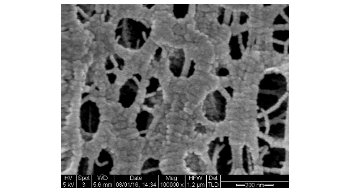
In the Science Journal, the researchers from Stanford report that they used nanoporous polyethylene to develop a textile material which aides radioactive cooling while maintaining breathability, wicking and necessary mechanical strength.
According to the report in Science, the researchers have also devised an instrument to simulate skin temperature. The use of nanoporous polyethylene fabric resulted in the lowering of skin temperature by about 2.7 degree centigrade when compared with another commonly used next-to-skin fabric.
According to Yi Cui, an associate professor of materials science at Stanford and the lead author of the study, the fabric effectively cools the person, which makes cooling the building unnecessary thereby saving energy.
Nanoporous plastic textile transports the body heat as infrared rays due to the nanostructured polyethylene. Researchers modified the polyethylene material that is commonly used in battery development which enables it to be opaque to visible light but transparent to infrared rays so that the heat can be dissipated.
According to Professor Shanhui Fan, professor of electrical engineering at Stanford, who co-authored the study, this research can lead to the development of new materials that can trap or let go infrared radiations.

By: Seshadri Ramkumar, Texas Tech University, USA

Share. Facebook Twitter Pinterest LinkedIn Tumblr Email
Previous ArticleSales dip for ICIS top chemical firms
Next Article Exim Mitra for services to SMEs

Related Posts

Turkmenistan sees focus on high-tech Italian textile machinery

May 29, 2026

RIICO begins plot allotment at Rupaheri Textile Park in Bhilwara

May 18, 2026

Tamil Nadu CM seeks PM Modi’s intervention to scrap 11% cotton import duty

May 18, 2026
Recent Posts
  • How tech-enabled ecosystems are powering the next phase of textile manufacturing
  • Pediatric decontamination for children’s health & safety
  • Turkmenistan sees focus on high-tech Italian textile machinery
  • CAI estimates cotton crop at 334 lakh bales
  • Nesterra’s At Home series crosses 100M views
  • Groz-Beckert to showcase textile innovations at ITM 2026
  • Improve Competitiveness with Low Investment using Gentle Spinning
  • Certified or Compromised?
Facebook X (Twitter) YouTube LinkedIn
  • About us
  • Contact us
  • Privacy Policy
  • Terms and Conditions

SISTER PUBLICATIONS

Construction World Equipment India Industrial Product Finder Infrastructure Today

© 2026 Indian Textile Journal. All Right Reserved.

Type above and press Enter to search. Press Esc to cancel.