Close Menu
Indian Textile Journal
  • Home
  • Textile Machinery
    • Allied Equipment and Accessories
    • Automation
    • Dyeing, Processing & Finishing
    • Knitting
    • Printing
    • Spinning
    • Weaving
  • Tech Textiles
  • Sustainability
  • Resources
    • Trade Fair
    • Events
    • Videos
  • Interview & Opinion
  • Subscribe Now
  • Advertise
  • Digital
  • Apparels & Garments
  • Fibres & Raw Materials
  • Home Textiles
  • Industry Update
Facebook X (Twitter) YouTube LinkedIn
Indian Textile Journal
Epson
  • Home
  • Textile Machinery
    • Allied Equipment and Accessories
    • Automation
    • Dyeing, Processing & Finishing
    • Knitting
    • Printing
    • Spinning
    • Weaving
  • Tech Textiles
  • Sustainability
  • Resources
    • Trade Fair
    • Events
    • Videos
  • Interview & Opinion
  • Subscribe Now
  • Advertise
  • Digital
  • Apparels & Garments
  • Fibres & Raw Materials
  • Home Textiles
  • Industry Update
Indian Textile Journal
Home » Waste cotton to saving the planet
Technical Textiles

Waste cotton to saving the planet

By November 7, 20252 Mins Read
Share Facebook Twitter LinkedIn WhatsApp Copy Link

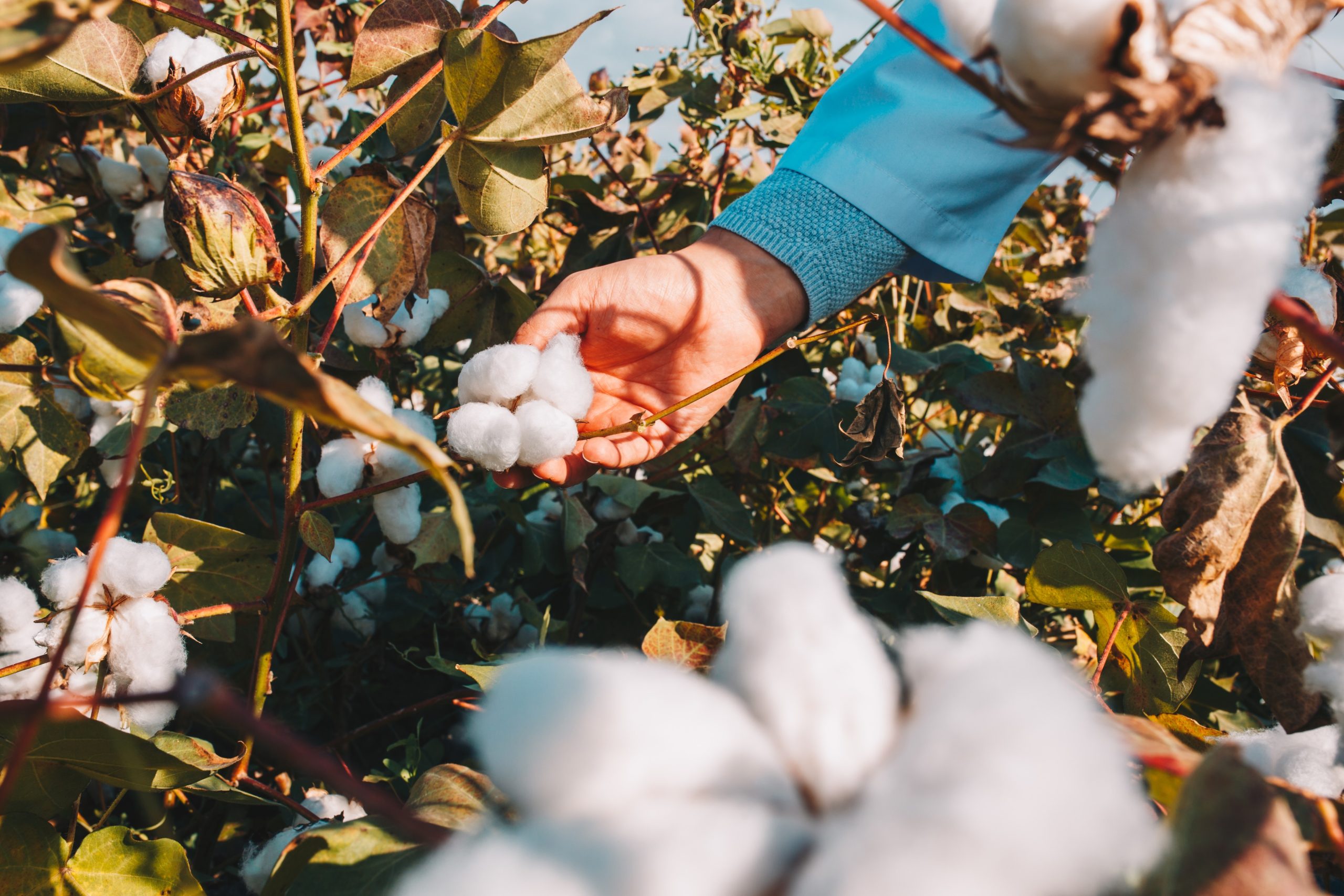
In the current economic and trade climate, finding new applications and markets for cotton is important, says Dr Seshadri Ramkumar.

Lubbock, USA, November 6, 2025—Waste cotton made into nonwoven mat soaks up oil.

“It is good to have a new use for our local product,” stated a Lubbock-based visitor to the Nonwovens Laboratory’s demonstration table at a science event.

Texas Tech University organized Family STEM Night to create awareness about science and engineering on November 6, 2025. Many academic units participated in the event displaying projects using hands-on demonstration.

The Nonwovens and Advanced Materials participated in the event with Aditya R, a 9th grade student at Lubbock High School volunteered to highlight the oil absorption capability of waste cotton. Our laboratory has showcased the oil soaking properties of low micronaire cotton and has been conducting research on this subject supported by United States’ cotton producers.

On November 6, Aditya along with graduate students Mirza Khyum and Bunmi Olopade demonstrated how nonwoven mats from waste cotton with plant trash can absorb oil instantaneously.

The demonstration attracted students from 3rd to 7th grade as well professors and parents. Professor Myoung-Hwan Kim of TTU’s Physics department interacted with Aditya as he explained the chemistry behind the absorption and absorption of oil by cotton waste and raw cotton.

As expected, question on the disposability of cotton came about. How will the product disintegrate asked a visitor. Aditya promptly responded highlighting the biodegradability of cotton. Engaging high school students in cotton research and outreach will be beneficial to the cotton industry to enhance interest and demand of cotton.

In the current economic and trade climate, finding new applications and markets for cotton is important. It is pleasing to report that the public in West Texas are aware of the market situation and are looking forward to new industrial products from cotton.

About the author:

Dr Seshadri Ramkumar is a Professor, Nonwovens & Advanced Materials Laboratory in Texas Tech University, Lubbock, TX, USA.

Previous ArticleRSWM and Adani Energy Solutions partner to power a greener future
Next Article APTEXPO 2025 Returns to Singapore

Related Posts

TechnoSport launches the R&D-powered WNTR. ESSENCE collection

November 17, 2026

ZONE kids activewear debuts its first physical store in Bengaluru with PlayBlue

November 17, 2026

Gen Z researchers expand advanced applications for cotton

November 5, 2026
Recent Posts
  • Amoli Shah: Automation is a key focus across our products
  • Keyur Panchal: Every machine on our stand this year will be a new-generation version
  • Stäubli showcases new S3292 dobby & advanced weaving tech at ITME India 2026
  • British textile machinery gains fresh traction in the Indian market
  • Ketan Sanghvi: We expect international participation to be a highlight of this edition
  • Daniel Uretsky: Down processing can have a very low carbon footprint
  • Anitha Jeyaraj: We develop tailored schemes to evaluate innovative materials
  • Next-Gen Yarn Quality Control
Facebook X (Twitter) YouTube LinkedIn
  • About us
  • Contact us
  • Privacy Policy
  • Terms and Conditions

SISTER PUBLICATIONS

Construction World Equipment India Industrial Product Finder Infrastructure Today

© 2026 Indian Textile Journal. All Rights Reserved.

Type above and press Enter to search. Press Esc to cancel.