Close Menu
Indian Textile Journal
  • Home
  • Market and Economy
    • Apparels & Garments
    • Fibres & Raw Materials
    • Home Textiles
    • Industry Update
  • Textile Machinery
    • Allied Equipment and Accessories
    • Automation
    • Dyeing, Processing & Finishing
    • Knitting
    • Printing
    • Spinning
    • Weaving
  • Tech Textiles
  • Sustainability
  • Resources
    • Trade Fair
    • Events
    • Videos
  • Interview & Opinion
  • Subscribe Now
  • Advertise
  • Digital
Facebook X (Twitter) YouTube LinkedIn
Indian Textile Journal
Epson
  • Home
  • Market and Economy
    • Apparels & Garments
    • Fibres & Raw Materials
    • Home Textiles
    • Industry Update
  • Textile Machinery
    • Allied Equipment and Accessories
    • Automation
    • Dyeing, Processing & Finishing
    • Knitting
    • Printing
    • Spinning
    • Weaving
  • Tech Textiles
  • Sustainability
  • Resources
    • Trade Fair
    • Events
    • Videos
  • Interview & Opinion
  • Subscribe Now
  • Advertise
  • Digital
Indian Textile Journal
Home » Maharashtra’s cotton strategy to boost textiles
Industry Update

Maharashtra’s cotton strategy to boost textiles

By September 6, 20181 Min Read
Share Facebook Twitter LinkedIn WhatsApp Copy Link
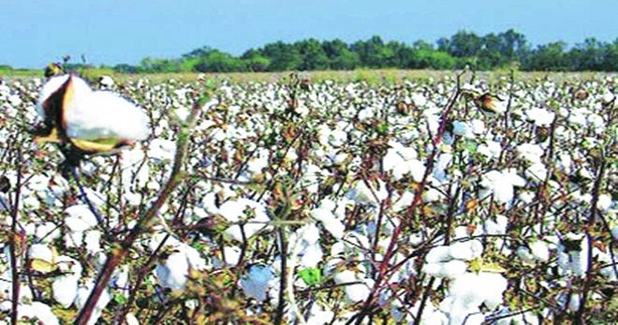
Maharashtra government recently declared 115 tehsils, or administrative zones, in 18 districts of Marathwada, North Maharashtra and Vidarbha regions as ‘cotton growing’ areas to boost the textile industry. This will focus attention on cotton cultivation and issues related to the crop’s growth, supply and processing and reduce traders’ margins.
Maharashtra will collect data on how much cotton is produced and locally used by textile units and if less than 50 per cent of cotton produced in a tehsil is locally used, the government will try to set up a textile unit there. At present, the State’s textile mills are not located in areas where cotton is grown resulting in traders reaping more benefits than farmers by buying cotton at a lower price and selling it at a margin to mills.
The districts where the tehsils have been identified are Aurangabad, Jalna, Parbhani, Hingoli, Nanded, Beed, Buldhana, Amravati, Nagpur, Akola, Yavatmal, Wardha, Chandrapur, Nashik, Dhule, Nandurbar, Jalgaon and Ahmednagar.
Previous ArticleNovibra’s latest innovation in spindle technology
Next Article Maharashtra’s cotton strategy to boost textiles

Related Posts

RSWM retains IND A rating as outlook turns stable

June 12, 2026

Meenakshi India reports FY26 revenue at Rs 1.58 billion

June 9, 2026

Training undergraduate and school students in textiles research

June 9, 2026
Recent Posts
  • RSWM retains IND A rating as outlook turns stable
  • Mumbai welcomes back HGH India 2026
  • Vipul Organics teams up with OMYA for European pigment distribution
  • ITM Istanbul 2026: ColorJet’s visibility extends across the entire exhibition
  • CMAI kidswear fair sees record participation 
  • Clean energy shift may save Tamil Nadu textiles Rs 32.50 billion
  • Spykar plans pan-India offline expansion with 100 new stores in two years
  • Meenakshi India reports FY26 revenue at Rs 1.58 billion
Facebook X (Twitter) YouTube LinkedIn
  • About us
  • Contact us
  • Privacy Policy
  • Terms and Conditions

SISTER PUBLICATIONS

Construction World Equipment India Industrial Product Finder Infrastructure Today

© 2026 Indian Textile Journal. All Rights Reserved.

Type above and press Enter to search. Press Esc to cancel.