Close Menu
Indian Textile Journal
  • Home
  • Textile Machinery
    • Allied Equipment and Accessories
    • Automation
    • Dyeing, Processing & Finishing
    • Knitting
    • Printing
    • Spinning
    • Weaving
  • Tech Textiles
  • Sustainability
  • Resources
    • Trade Fair
    • Events
    • Videos
  • Interview & Opinion
  • Subscribe Now
  • Advertise
  • Digital
  • Apparels & Garments
  • Fibres & Raw Materials
  • Home Textiles
  • Industry Update
Facebook X (Twitter) YouTube LinkedIn
Indian Textile Journal
Epson
  • Home
  • Textile Machinery
    • Allied Equipment and Accessories
    • Automation
    • Dyeing, Processing & Finishing
    • Knitting
    • Printing
    • Spinning
    • Weaving
  • Tech Textiles
  • Sustainability
  • Resources
    • Trade Fair
    • Events
    • Videos
  • Interview & Opinion
  • Subscribe Now
  • Advertise
  • Digital
  • Apparels & Garments
  • Fibres & Raw Materials
  • Home Textiles
  • Industry Update
Indian Textile Journal
Home » Huge saving of water by Wrangler
Industry Update

Huge saving of water by Wrangler

By December 21, 20161 Min Read
Share Facebook Twitter LinkedIn WhatsApp Copy Link
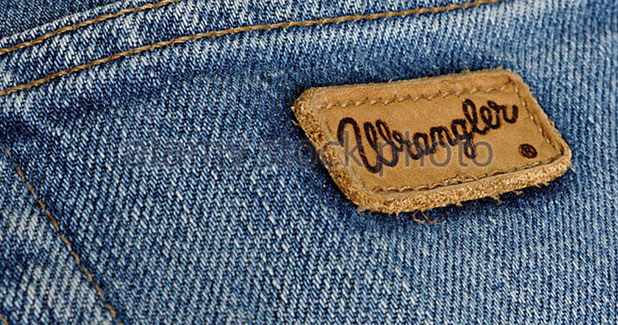
The global leader in jeans and casual apparel, Wrangler Jeans has revealed it has reached a milestone by having saved 3 billion liters of water since 2007, and has also  announced methods to reduce water usage at its facilities by 20 per cent by 2020.
Water plays a significant role in manufacturing of denim. The finishing steps in producing a pair of jeans typically require multiple water baths. By merging steps, Wrangler reduced water use without compromising quality. This improved wash down process, combined with increased water recycling yielded this significant resource conservation.
Wrangler brand’s water recycling program invested in advanced wastewater treatment systems is to improve effluent water quality. This allows treated water to cycle back through the system.
For example, the company’s owned Torreon facility in Mexico has achieved a 45 per cent water-recycling rate through a combination of disc filtration and biological treatment processes. The company plans to invest in additional technology at the site to achieve a 75 per cent recycling rate by 2018.
Previous ArticleFashion sector likely to do better in 2017
Next Article EU closer to textile accord with Uzbek

Related Posts

CAI raises India cotton pressing estimate to 339 lakh bales

August 12, 2026

Birla Cellulose handloom initiative opens new avenues for traditional weavers

August 11, 2026

NABARD celebrates National Handloom Day with Mumbai Exhibition and Sales

August 11, 2026
Recent Posts
  • CAI raises India cotton pressing estimate to 339 lakh bales
  • Birla Cellulose handloom initiative opens new avenues for traditional weavers
  • NABARD celebrates National Handloom Day with Mumbai Exhibition and Sales
  • Global textile sector responds enthusiastically to ITMA 2027
  • Peter England enters Gen Z fashion with new sub-brand VYBE
  • PDS Q1 FY27 revenue rises 15%, PAT jumps 43%
  • Gartex Texprocess India in Delhi showcases cutting-edge garment tech
  • KKCL Q1 FY27 revenue rises 19%, PAT grows 29%
Facebook X (Twitter) YouTube LinkedIn
  • About us
  • Contact us
  • Privacy Policy
  • Terms and Conditions

SISTER PUBLICATIONS

Construction World Equipment India Industrial Product Finder Infrastructure Today

© 2026 Indian Textile Journal. All Rights Reserved.

Type above and press Enter to search. Press Esc to cancel.