


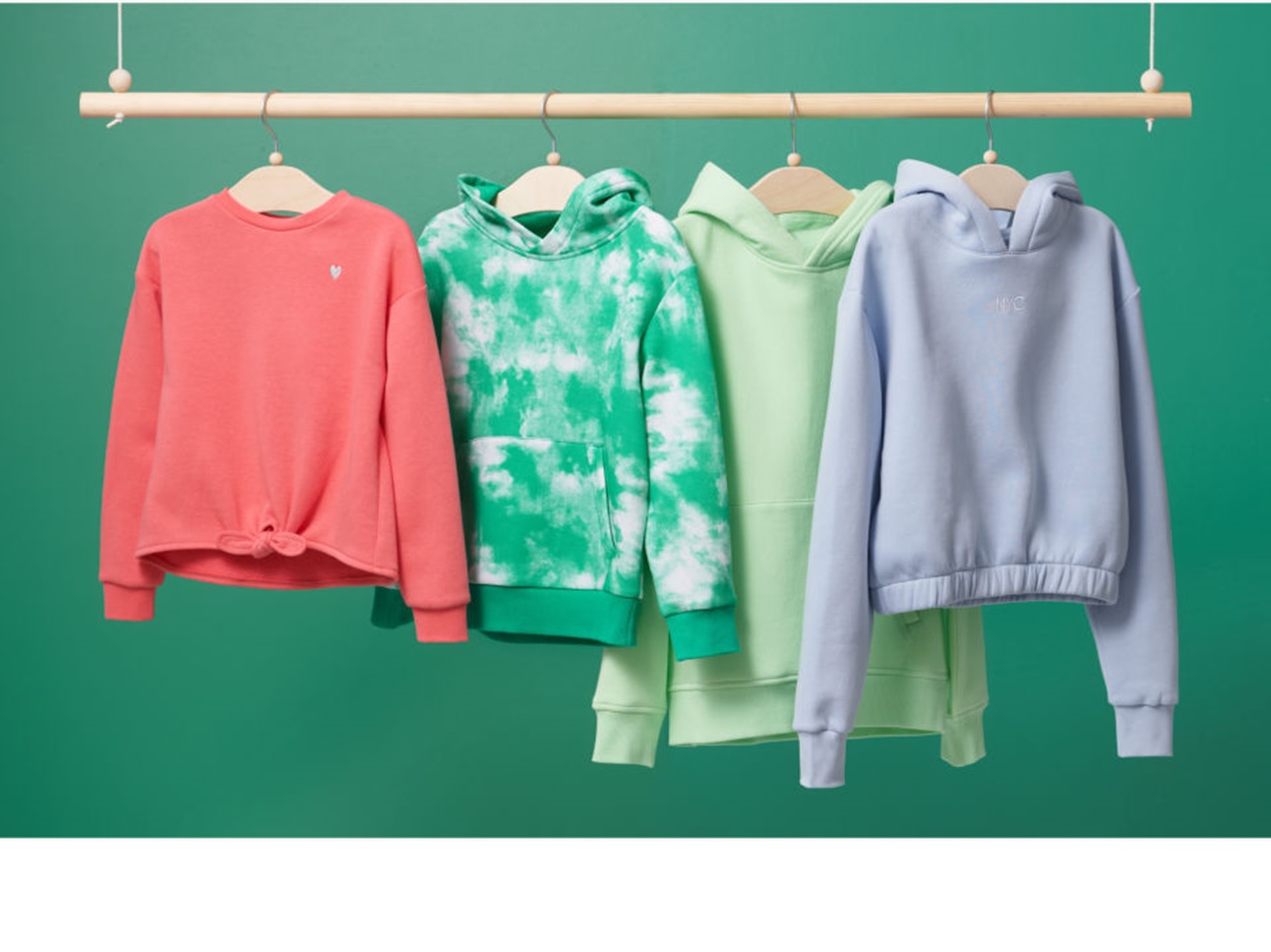
The fashion industry is reaching a turning point as leading fashion brands are becoming more concerned on environmental issues that their buyers have focused on.
Fashion industry is heavily supported by plastics from the synthetic materials used to produce clothing, bags and other fashion accessories, creating stylish and even customised features to catch the eyes of consumers.
The fast-paced fashion industry is always abuzz with new products for each season. From clothes, jewellery, footwear, bags and other accessories, the fashion world is always on the lookout for new materials that fuel the creative spirit of designers and manufacturers, and capture the fancy of buyers. But the fashion industry is reaching a turning point as leading fashion brands are becoming more concerned on environmental issues that their buyers have focused on.
As one of the first fashion designers to launch environmentally-friendly and green products, Stella McCartney uses textiles such as recycled polyester, sustainable viscose hemp and other organic materials for her fashion collection, of which Koba Fur Free Fur is popular. The sustainable fur is made of 100% DuPont Sorona plant-based fibers, an alternative to animal furs. The material can be recycled and reused without waste, and with less greenhouse gases produced as against conventional synthetic materials.
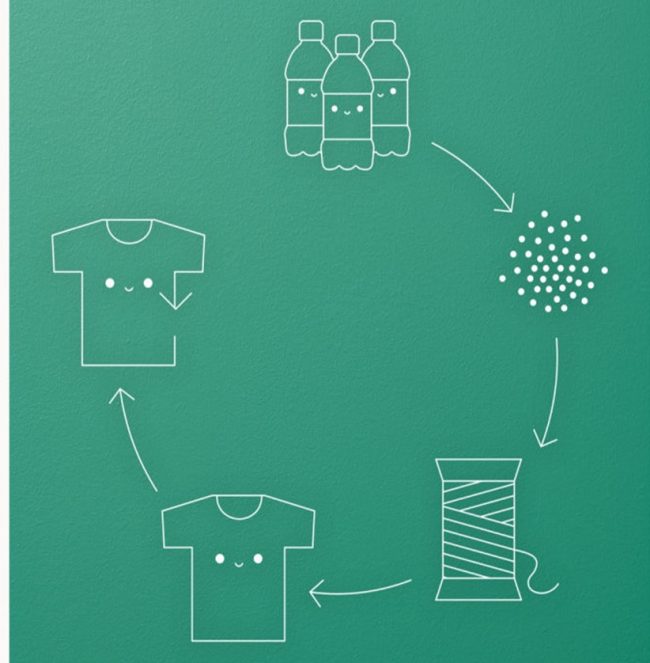
Another brand, Girlfriend Collective, produces sports bras and leggings from recycled plastics, water bottles and fishing nets. The company’s recycling center in Taiwan is where bottles are sorted, cleaned and recycled. The LITE leggings produced by the company are made from ECONYL fiber, which is derived from recycled fishing nets.
Inditex, the company that owns high street fashion brand Zara, has committed to produce all its clothing from 100% sustainable materials. By 2025, Inditex will only use cotton, linen and polyester that is organic, more sustainable or recycled.
Another leading fashion brand, H&M has teamed up with Danone AQUA for the bottle2fashion project, where plastic bottle waste from across the islands of Indonesia is transformed into recycled polyester. In 2021, bottle2fashion collected and recycled over 7.5 million PET bottles, more than double the volume from 2020 of 3.5 million. The recycled polyester is used in the production of the popular H&M Kids collection.
At CHINAPLAS 2022, to be held at National Convention and Exhibition Center, Hongqiao, Shanghai, China, from April 25-28, 2022, the fashion industry will witness a full range of new materials and high-tech processes to put them on top of competition in a world where fast-changing consumer preferences matter. The show will gather 4,000+ international exhibitors under one roof and welcome visitors from all around the world to grasp business opportunities generated from the economic recovery. To cope with the fast-changing global sourcing conditions without travelling under the pandemic, overseas buyers are now able to connect with thousands of materials and machines suppliers via CHINAPLAS eMarketplace, a smart efficient integrated, and sustainable online sourcing platform which is complementary to the physical show of CHINAPLAS.