Close Menu
Indian Textile Journal
  • Home
  • Market and Economy
    • Apparels & Garments
    • Fibres & Raw Materials
    • Home Textiles
    • Industry Update
  • Textile Machinery
    • Allied Equipment and Accessories
    • Automation
    • Dyeing, Processing & Finishing
    • Knitting
    • Printing
    • Spinning
    • Weaving
  • Tech Textiles
  • Sustainability
  • Resources
    • Trade Fair
    • Events
    • Videos
  • Interview & Opinion
  • Subscribe Now
  • Advertise
  • Digital
Facebook X (Twitter) YouTube LinkedIn
Indian Textile Journal
Epson
  • Home
  • Market and Economy
    • Apparels & Garments
    • Fibres & Raw Materials
    • Home Textiles
    • Industry Update
  • Textile Machinery
    • Allied Equipment and Accessories
    • Automation
    • Dyeing, Processing & Finishing
    • Knitting
    • Printing
    • Spinning
    • Weaving
  • Tech Textiles
  • Sustainability
  • Resources
    • Trade Fair
    • Events
    • Videos
  • Interview & Opinion
  • Subscribe Now
  • Advertise
  • Digital
Indian Textile Journal
Home » Demonetisation hurts apparel sales
Industry Update

Demonetisation hurts apparel sales

By December 2, 20162 Mins Read
Share Facebook Twitter LinkedIn WhatsApp Copy Link
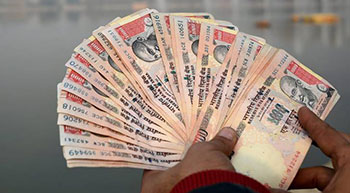
Thanks to the demonetisation, the Indian textile and apparel industry has lost 30-40 per cent of business. Apparel sale in domestic markets had stopped in the initial days and recovered gradually. Consumers continue to face liquidity tightness, resulting in deferring of purchase. Hence, further recovery might take some time. As the wedding season is on, this would affect the revenue and profit of manufacturers, as apparel purchase is seasonal or occasional.
"The effect on denim sales is even worse. While exports are not affected, the decline in domestic retail sales would definitely hit sales and profit," says R K Dalmia, chairman, The Cotton Textiles Export Promotion Council. Market participants believe output needs to be curtailed to control supply and avoid long-period discounting and stock clearing sales. 
Meanwhile, the apparel sector, however, has hailed the overall demonetisation scheme as good for the long term, on expectations of transparency in the entire value chain. Many handloom, powerloom and cottage fabric manufacturers continue to operate largely in cash. Any business with retail connections generates unbilled amounts; in garments, a large section of retailers at the bottom of the pyramid deals largely in cash, without generating bills. Demonetisation is expected to curb all unbilled sales. 
Previous ArticleMAG’s silver jubilee celebration
Next Article India’s apparel exports dip

Related Posts

RSWM retains IND A rating as outlook turns stable

June 12, 2026

Meenakshi India reports FY26 revenue at Rs 1.58 billion

June 9, 2026

Training undergraduate and school students in textiles research

June 9, 2026
Recent Posts
  • RSWM retains IND A rating as outlook turns stable
  • Mumbai welcomes back HGH India 2026
  • Vipul Organics teams up with OMYA for European pigment distribution
  • ITM Istanbul 2026: ColorJet’s visibility extends across the entire exhibition
  • CMAI kidswear fair sees record participation 
  • Clean energy shift may save Tamil Nadu textiles Rs 32.50 billion
  • Spykar plans pan-India offline expansion with 100 new stores in two years
  • Meenakshi India reports FY26 revenue at Rs 1.58 billion
Facebook X (Twitter) YouTube LinkedIn
  • About us
  • Contact us
  • Privacy Policy
  • Terms and Conditions

SISTER PUBLICATIONS

Construction World Equipment India Industrial Product Finder Infrastructure Today

© 2026 Indian Textile Journal. All Rights Reserved.

Type above and press Enter to search. Press Esc to cancel.