Close Menu
Indian Textile Journal
  • Home
  • Textile Machinery
    • Allied Equipment and Accessories
    • Automation
    • Dyeing, Processing & Finishing
    • Knitting
    • Printing
    • Spinning
    • Weaving
  • Tech Textiles
  • Sustainability
  • Resources
    • Trade Fair
    • Events
    • Videos
  • Interview & Opinion
  • Subscribe Now
  • Advertise
  • Digital
  • Apparels & Garments
  • Fibres & Raw Materials
  • Home Textiles
  • Industry Update
Facebook X (Twitter) YouTube LinkedIn
Indian Textile Journal
Epson
  • Home
  • Textile Machinery
    • Allied Equipment and Accessories
    • Automation
    • Dyeing, Processing & Finishing
    • Knitting
    • Printing
    • Spinning
    • Weaving
  • Tech Textiles
  • Sustainability
  • Resources
    • Trade Fair
    • Events
    • Videos
  • Interview & Opinion
  • Subscribe Now
  • Advertise
  • Digital
  • Apparels & Garments
  • Fibres & Raw Materials
  • Home Textiles
  • Industry Update
Indian Textile Journal
Home » B&R’s flexible image processing for increased productivity
Automation

B&R’s flexible image processing for increased productivity

By July 30, 20242 Mins Read
Share Facebook Twitter LinkedIn WhatsApp Copy Link

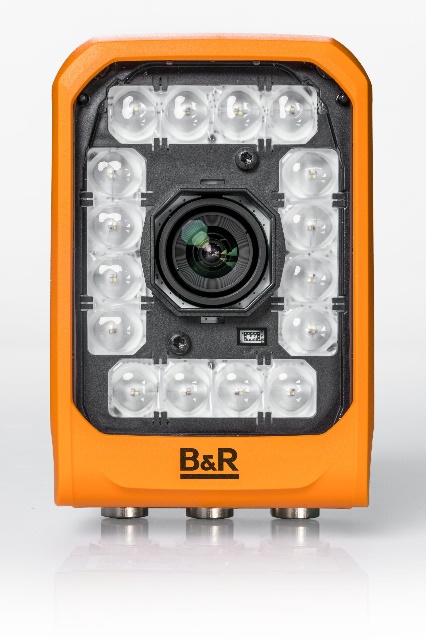
The Simple Matching function is easier to train because it has fewer argument possibilities.

B&R vision functions perform specific image processing tasks, either individually in a vision sensor or as a sequence of functions in a smart camera. By encapsulating sophisticated HALCON program code in an intuitive interface, the new vision functions make it easy for automation programmers to configure advanced vision functionality and incorporate the results in the machine application. The Simple Matching function is easier to train because it has fewer argument possibilities. When a picture is being trained directly from the application, it serves as an alternative to the edge-based standard matching algorithm.

The Clutter Matching function can be used to define an area within or around a matching hit, where no clutter is allowed which is important in pick-and-place applications. The Calibration function corrects errors resulting from perspective or optical distortion by converting pixel values into metric values. These are needed for metric data from a camera or when precise measurement the subpixel range is needed. The Image Manipulation function makes it possible to apply added filters and image manipulations for tasks such as reading curved fonts. With the Simple Logic & Mathematics function, the intermediate results from one or more vision functions can be used directly on the camera to control later image processing steps. These five new vision functions make image processing more flexible and productive than ever.

Previous ArticleTata International to Boost Sustainable Leather Share to 50% in 4 Years
Next Article Textiles PLI Scheme May Expand Product List

Related Posts

How tech-enabled ecosystems are powering the next phase of textile manufacturing

May 29, 2026

How Thermal Shock Cleans High-Speed Factories

April 23, 2026

Britain Reinvents Manufacturing

February 24, 2026
Recent Posts
  • Cotton research attracting high achieving undergraduates
  • Yamuna Machine and MANTRA to develop indigenous geo-grid coating line
  • VIRGIO names Hansa Nigam as Chief Marketing Officer
  • Global trade and technical collaboration in textile sector                
  • Expanding the horizons of premium stretch warp knitting with KARL MAYER’s HKS 2-SE
  • Italian textile machinery leads sector revival through innovation and sustainability
  • Weave The Future launches national innovation challenge to tackle textile waste
  • Indian cotton sector in play
Facebook X (Twitter) YouTube LinkedIn
  • About us
  • Contact us
  • Privacy Policy
  • Terms and Conditions

SISTER PUBLICATIONS

Construction World Equipment India Industrial Product Finder Infrastructure Today

© 2026 Indian Textile Journal. All Rights Reserved.

Type above and press Enter to search. Press Esc to cancel.