Close Menu
Indian Textile Journal
  • Home
  • Market and Economy
    • Apparels & Garments
    • Fibres & Raw Materials
    • Home Textiles
    • Industry Update
  • Textile Machinery
    • Allied Equipment and Accessories
    • Automation
    • Dyeing, Processing & Finishing
    • Knitting
    • Printing
    • Spinning
    • Weaving
  • Tech Textiles
  • Sustainability
  • Resources
    • Trade Fair
    • Events
    • Videos
  • Interview & Opinion
  • Subscribe Now
  • Advertise
  • Digital
Facebook X (Twitter) YouTube LinkedIn
Indian Textile Journal
Epson
  • Home
  • Market and Economy
    • Apparels & Garments
    • Fibres & Raw Materials
    • Home Textiles
    • Industry Update
  • Textile Machinery
    • Allied Equipment and Accessories
    • Automation
    • Dyeing, Processing & Finishing
    • Knitting
    • Printing
    • Spinning
    • Weaving
  • Tech Textiles
  • Sustainability
  • Resources
    • Trade Fair
    • Events
    • Videos
  • Interview & Opinion
  • Subscribe Now
  • Advertise
  • Digital
Indian Textile Journal
Home » BPPL opens Sri Lanka’s first ever polyester yarn factory
Industry Update

BPPL opens Sri Lanka’s first ever polyester yarn factory

By July 25, 20182 Mins Read
Share Facebook Twitter LinkedIn WhatsApp Copy Link

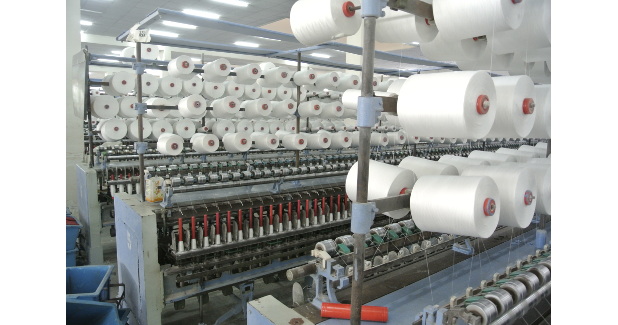
Eco Spindles, a wholly-owned subsidiary of BPPL Holdings Ltd (BPPL), recently inaugurated Sri Lanka’s first ever polyester yarn plant at Horana Export Processing Zone with an investment of SLR 800 million. The unit, with spinning and texturing machinery from Europe, will manufacture polyester yarn from recycled polyethylene terephthalate (PET) bottle flakes.

The plant is one of two plants in the world that create yarn directly from flakes circumventing the polymerization where flakes are first converted to chips and then to yarn, according to BPPL CEO and managing director Anush Amarasinghe. BPPL is also planning to invest SLR 1-1.5 billion in another yarn production plant at the same premises to expand production, a leading Sri Lankan newspaper quoted Amarasinghe as saying.

Meanwhile, BPPL expects to double the used PET bottle collection to 400 tonnes per month within the next 12 months. He noted that 70 tonnes of recycled PET waste will be utilised for manufacturing synthetic yarn while around 150 tonnes of PET waste for the production of synthetic brush filaments. The new plant can produce 15 percent of the polyester yarn required by the local apparel industry and can also produce recycled yarn, which is considered a niche segment with a good growth potential.

Previous ArticleGST Council allows ITC refund to fabrics
Next Article Huntsman Textile Effects introduces HIGH IQ Sun Protect

Related Posts

RSWM retains IND A rating as outlook turns stable

June 12, 2026

Meenakshi India reports FY26 revenue at Rs 1.58 billion

June 9, 2026

Training undergraduate and school students in textiles research

June 9, 2026
Recent Posts
  • RSWM retains IND A rating as outlook turns stable
  • Mumbai welcomes back HGH India 2026
  • Vipul Organics teams up with OMYA for European pigment distribution
  • ITM Istanbul 2026: ColorJet’s visibility extends across the entire exhibition
  • CMAI kidswear fair sees record participation 
  • Clean energy shift may save Tamil Nadu textiles Rs 32.50 billion
  • Spykar plans pan-India offline expansion with 100 new stores in two years
  • Meenakshi India reports FY26 revenue at Rs 1.58 billion
Facebook X (Twitter) YouTube LinkedIn
  • About us
  • Contact us
  • Privacy Policy
  • Terms and Conditions

SISTER PUBLICATIONS

Construction World Equipment India Industrial Product Finder Infrastructure Today

© 2026 Indian Textile Journal. All Rights Reserved.

Type above and press Enter to search. Press Esc to cancel.