Close Menu
Indian Textile Journal
  • Home
  • Market and Economy
    • Apparels & Garments
    • Fibres & Raw Materials
    • Home Textiles
    • Industry Update
  • Textile Machinery
    • Allied Equipment and Accessories
    • Automation
    • Dyeing, Processing & Finishing
    • Knitting
    • Printing
    • Spinning
    • Weaving
  • Tech Textiles
  • Sustainability
  • Resources
    • Trade Fair
    • Events
    • Videos
  • Interview & Opinion
  • Subscribe Now
  • Advertise
  • Digital
Facebook X (Twitter) YouTube LinkedIn
Indian Textile Journal
Epson
  • Home
  • Market and Economy
    • Apparels & Garments
    • Fibres & Raw Materials
    • Home Textiles
    • Industry Update
  • Textile Machinery
    • Allied Equipment and Accessories
    • Automation
    • Dyeing, Processing & Finishing
    • Knitting
    • Printing
    • Spinning
    • Weaving
  • Tech Textiles
  • Sustainability
  • Resources
    • Trade Fair
    • Events
    • Videos
  • Interview & Opinion
  • Subscribe Now
  • Advertise
  • Digital
Indian Textile Journal
Home » AD duty on NFY extended
Industry Update

AD duty on NFY extended

By January 31, 20172 Mins Read
Share Facebook Twitter LinkedIn WhatsApp Copy Link

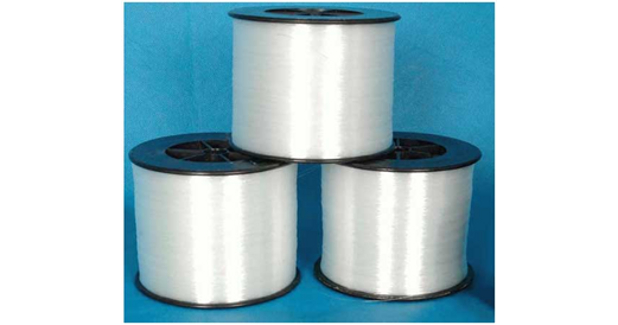
The Finance Ministry in India has extended by one year the validity of anti-dumping duty on nylon filament yarn from China, Chinese Taipei, Malaysia, Indonesia, Thailand and South Korea. The revenue department has also extended by one year the validity of anti dumping duty on Saccharin imports from China. The anti-dumping duty on both these products would be valid till January 12, 2018, the revenue department has said.

The Indian textile industry has been demanding a level-playing field with respect to cotton for a long time now and some rationalisation is expected from budget 2017-18. The textile industry wants the next Union Budget to reduce the excise duty on manmade fibres and bring it on par with that of cotton. The argument is that garments produced through manmade fibres are primarily used by the economically weaker sections of society. The manmade fibre requirement of the Indian textile industry is expected to jump by at least five times by 2025 from what it is now. Yarns made of polyester and synthetics are in good demand. fibres like nylon and polyester have an excise duty of 12.5 per cent while for other yarns like cotton the excise duty is negligible. The industry also wants a 20 per cent excise duty subsidy on handicrafts and handloom sector goods destined for export to the US and East Europe. A long term plan to boost textile exports from India would enable India to pull ahead of China by 2020. GST will also come into the picture soon.

This budget is going to be the most widely watched budget in a long time due to factors such as change in the day of the presentation to the 1st day of February, merger of the railways budget into the union budget, expected tax sops after demonetisation, etc. From the Indian textile and allied industries point of view, the government needs to boost domestic demand and reduction in income taxes would definitely help. Textile exports is facing increasing competition from Bangladesh and Vietnam, which have robust government policies supporting the local textile industry. The government also needs to give much better incentives to the textiles industry especially for machinery upgradation and preferential industrial power rates.

Previous ArticleNano coating comes of age
Next Article Pak’s GST relief for machinery import

Related Posts

India eyes larger UK textile share after FTA

June 27, 2026

Textiles Ministry eyes $100 billion exports

June 27, 2026

N D Mhatre honoured with Certificate of International Excellence

June 25, 2026
Recent Posts
  • India eyes larger UK textile share after FTA
  • Textiles Ministry eyes $100 billion exports
  • Indian heritage to shine at 19th HGH India as traditional crafts connect with the industry
  • ITMA 2027 gains momentum as emerging innovators take the global stage
  • VIRGIO bets on made-on-demand fashion to build a global demand-led brand
  • HKRITA signs MoU with Jeanologia and Looptworks to establish green machine circular textile ecosystem
  • Underneat strengthens its position among India’s fastest-growing D2C brands
  • Karl Mayer: The fastest path from yarn to champion shoe
Facebook X (Twitter) YouTube LinkedIn
  • About us
  • Contact us
  • Privacy Policy
  • Terms and Conditions

SISTER PUBLICATIONS

Construction World Equipment India Industrial Product Finder Infrastructure Today

© 2026 Indian Textile Journal. All Rights Reserved.

Type above and press Enter to search. Press Esc to cancel.