Close Menu
Indian Textile Journal
  • Home
  • Textile Machinery
    • Allied Equipment and Accessories
    • Automation
    • Dyeing, Processing & Finishing
    • Knitting
    • Printing
    • Spinning
    • Weaving
  • Tech Textiles
  • Sustainability
  • Resources
    • Trade Fair
    • Events
    • Videos
  • Interview & Opinion
  • Subscribe Now
  • Advertise
  • Digital
  • Apparels & Garments
  • Fibres & Raw Materials
  • Home Textiles
  • Industry Update
Facebook X (Twitter) YouTube LinkedIn
Indian Textile Journal
Epson
  • Home
  • Textile Machinery
    • Allied Equipment and Accessories
    • Automation
    • Dyeing, Processing & Finishing
    • Knitting
    • Printing
    • Spinning
    • Weaving
  • Tech Textiles
  • Sustainability
  • Resources
    • Trade Fair
    • Events
    • Videos
  • Interview & Opinion
  • Subscribe Now
  • Advertise
  • Digital
  • Apparels & Garments
  • Fibres & Raw Materials
  • Home Textiles
  • Industry Update
Indian Textile Journal
Home » Jeans manufacturers struggle amid factory closures in Karnataka
Industry Update

Jeans manufacturers struggle amid factory closures in Karnataka

By November 7, 20232 Mins Read
Share Facebook Twitter LinkedIn WhatsApp Copy Link
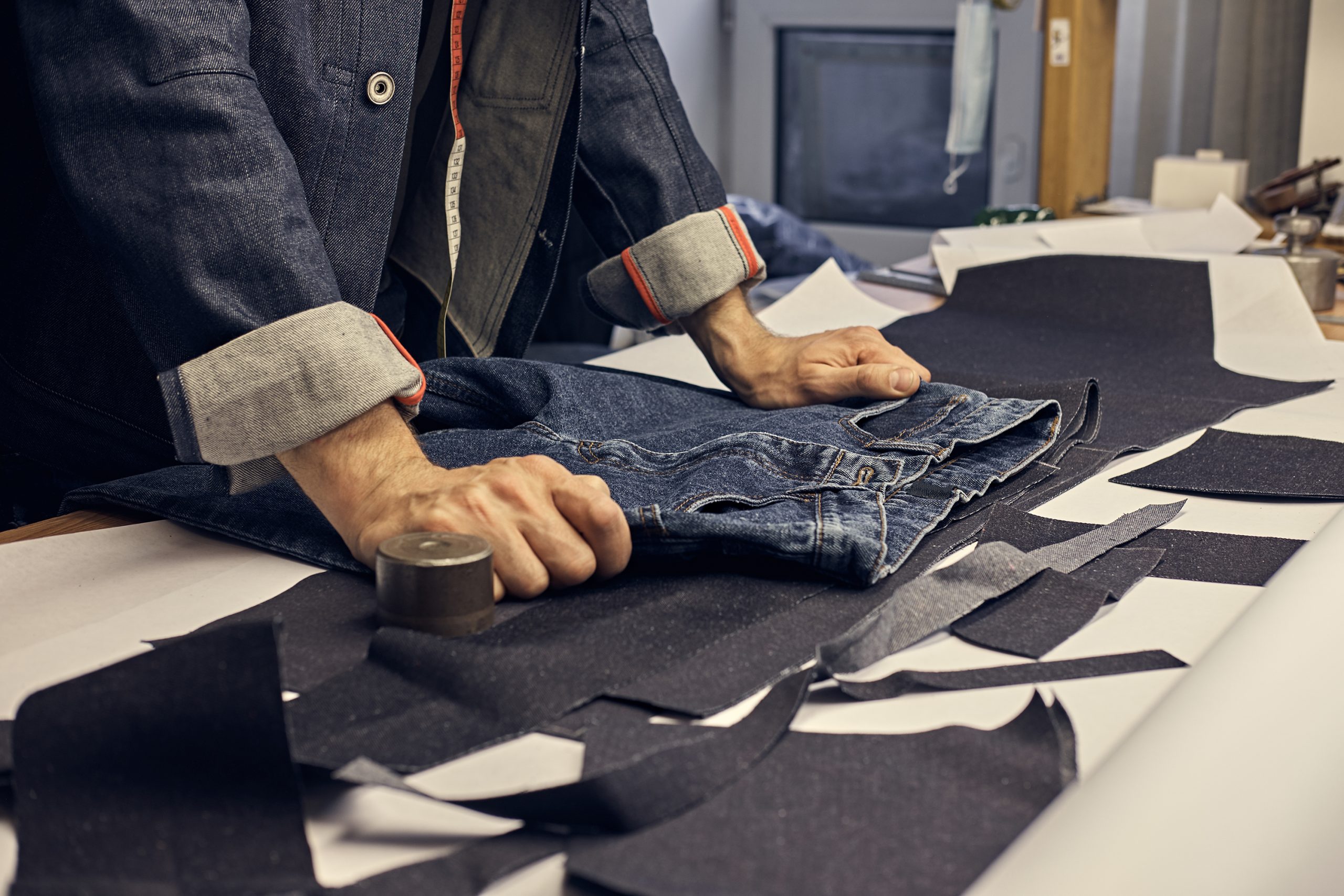
ropped image of a tailor working with jeans material at a sewing workshop.

Karnataka is currently facing a severe power crisis due to depleting water levels in hydel units.

Industrial production has suffered due to frequent power failures, causing a shortage of jeans pants in showrooms. The production of jeans pants in the state has been adversely affected by these outages. Karnataka is grappling with a power crisis, leading to unscheduled cuts, and industries, especially those involved in stitching jeans pants, are struggling. In the Ballari district alone, there are numerous factories dedicated to stitching jeans pants, totalling at least 500 units. These units supply jeans pants to neighbouring states such as Andhra Pradesh, Telangana, and other countries.

More than 10,000 employees work in these factories, producing jeans pants. Uninterrupted power supply is crucial for these factories, but Karnataka is currently facing a severe power crisis due to depleting water levels in hydel units, resulting in interrupted power supply. This situation has negatively impacted the jeans factories. Despite the challenges faced during COVID-19, where many months went without work, this year showed promise with a surge in orders.

Many factories have had to resort to generators, despite the high operational costs. If input costs increase, manufacturers cannot raise product prices, leading to significant losses. Factory owners emphasise that unscheduled power cuts, sometimes lasting 10 to 20 minutes every hour, disrupt production.

Amidst the ongoing power crisis, there is a glimmer of positive news on the production front. The Shimshapura hydroelectric station has resumed power production after a hiatus.

The unit had to shut down due to floods in 2022, causing damage to the equipment. Extensive repairs have been undertaken since then. This hydroelectric station holds historical significance as it was a dream project of the erstwhile Mysore Maharaja Nalwadi Krishnaraja Wadiyar. Construction began in 1937, with power production starting in 1940. However, heavy rainfall in the catchment areas led to floods in the Shimsha River, submerging and damaging the equipment. A specialised team from Uttar Pradesh and Telangana was summoned to perform the necessary repairs.

Previous ArticleAIKA raises concerns over surge in Chinese synthetic fabric imports
Next Article RMG owners hesitate to set up factories in Bangladesh’s largest estate       

Related Posts

Inside Karl Mayer’s breakthrough spacer fabric innovations at ITMA ASIA 2026

November 16, 2026

Itema to showcase textile versatility at ITMA ASIA + CITME 2026

November 16, 2026

Vipul Organics Q2 FY27 revenue jumps 56% to Rs 619 million

November 16, 2026
Recent Posts
  • Amoli Shah: Automation is a key focus across our products
  • Keyur Panchal: Every machine on our stand this year will be a new-generation version
  • Stäubli showcases new S3292 dobby & advanced weaving tech at ITME India 2026
  • British textile machinery gains fresh traction in the Indian market
  • Ketan Sanghvi: We expect international participation to be a highlight of this edition
  • Daniel Uretsky: Down processing can have a very low carbon footprint
  • Anitha Jeyaraj: We develop tailored schemes to evaluate innovative materials
  • Next-Gen Yarn Quality Control
Facebook X (Twitter) YouTube LinkedIn
  • About us
  • Contact us
  • Privacy Policy
  • Terms and Conditions

SISTER PUBLICATIONS

Construction World Equipment India Industrial Product Finder Infrastructure Today

© 2026 Indian Textile Journal. All Rights Reserved.

Type above and press Enter to search. Press Esc to cancel.