Close Menu
Indian Textile Journal
  • Home
  • Market and Economy
    • Apparels & Garments
    • Fibres & Raw Materials
    • Home Textiles
    • Industry Update
  • Textile Machinery
    • Allied Equipment and Accessories
    • Automation
    • Dyeing, Processing & Finishing
    • Knitting
    • Printing
    • Spinning
    • Weaving
  • Tech Textiles
  • Sustainability
  • Resources
    • Trade Fair
    • Events
    • Videos
  • Interview & Opinion
  • Subscribe Now
  • Advertise
  • Digital
Facebook X (Twitter) YouTube LinkedIn
Indian Textile Journal
Epson
  • Home
  • Market and Economy
    • Apparels & Garments
    • Fibres & Raw Materials
    • Home Textiles
    • Industry Update
  • Textile Machinery
    • Allied Equipment and Accessories
    • Automation
    • Dyeing, Processing & Finishing
    • Knitting
    • Printing
    • Spinning
    • Weaving
  • Tech Textiles
  • Sustainability
  • Resources
    • Trade Fair
    • Events
    • Videos
  • Interview & Opinion
  • Subscribe Now
  • Advertise
  • Digital
Indian Textile Journal
Home » Why is sample conditioning essential in testing?
Sustainability

Why is sample conditioning essential in testing?

By March 1, 20212 Mins Read
Share Facebook Twitter LinkedIn WhatsApp Copy Link

The textile industry is
growing rapidly owing to the rising disposable incomes and changing lifestyle
needs. As a result the demand for quality clothing and textile products has
also increased. Textile testing is essential to ensure quality and performance
of textile items and clothing.


Textile testing basically
involves the process of determining the properties of various kinds of textile
materials. Textile testing plays an important role in textile manufacturing,
promotion and distribution and ultimately in consumption. The key purpose of
textile testing is to evaluate the performance of the textile product and to
provide an analysis of product performance about based on the test results.
Textile testing provides a strong base to manufacturers and retailers about the
quality, performance and reliability of their products before going into mass
production and distribution.


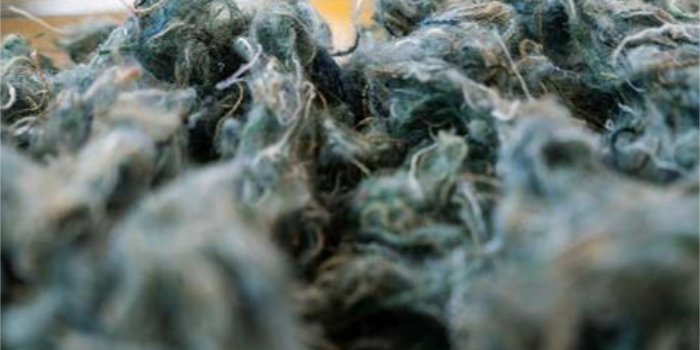
In a textile testing
laboratory, it is pertinent that before undertaking any testing, the samples
must be conditioned in standard atmospheric conditions which is 22
°C ±
1° C and humidity 65 per cent RH ± 2 per cent RH. This article explores what is conditioning of a textile sample,
why is it necessary to condition the samples before conducting any test and
features to look for in a reliable lab conditioning chamber.

Previous ArticleTroubleshooting for sustainable cold-pad-batch dyeing
Next Article Govt announces RoDTEP scheme to boost textile exports

Related Posts

World Environment Day 2026 – 5 wardrobe choices combining style and sustainability

June 5, 2026

How tech-enabled ecosystems are powering the next phase of textile manufacturing

May 29, 2026

Arvind Advanced Materials enters US market with acquisition of Dalco-GFT

May 8, 2026
Recent Posts
  • Trützschler IDF 3 unlocks short fibre processing potential
  • World Environment Day 2026 – 5 wardrobe choices combining style and sustainability
  • MiRooh unveils cosmic candy bedroom collection
  • CMAI hosts AI Masterclass to guide clothing businesses into the digital era
  • PDS earns Great Place to Work recognition in 10 countries
  • NITMA welcomes cotton import duty waiver
  • Cotton imports exempted from customs duty
  • Trident Group and ICAR-NINFET explore tie-up for natural fibre home textiles
Facebook X (Twitter) YouTube LinkedIn
  • About us
  • Contact us
  • Privacy Policy
  • Terms and Conditions

SISTER PUBLICATIONS

Construction World Equipment India Industrial Product Finder Infrastructure Today

© 2026 Indian Textile Journal. All Rights Reserved.

Type above and press Enter to search. Press Esc to cancel.