


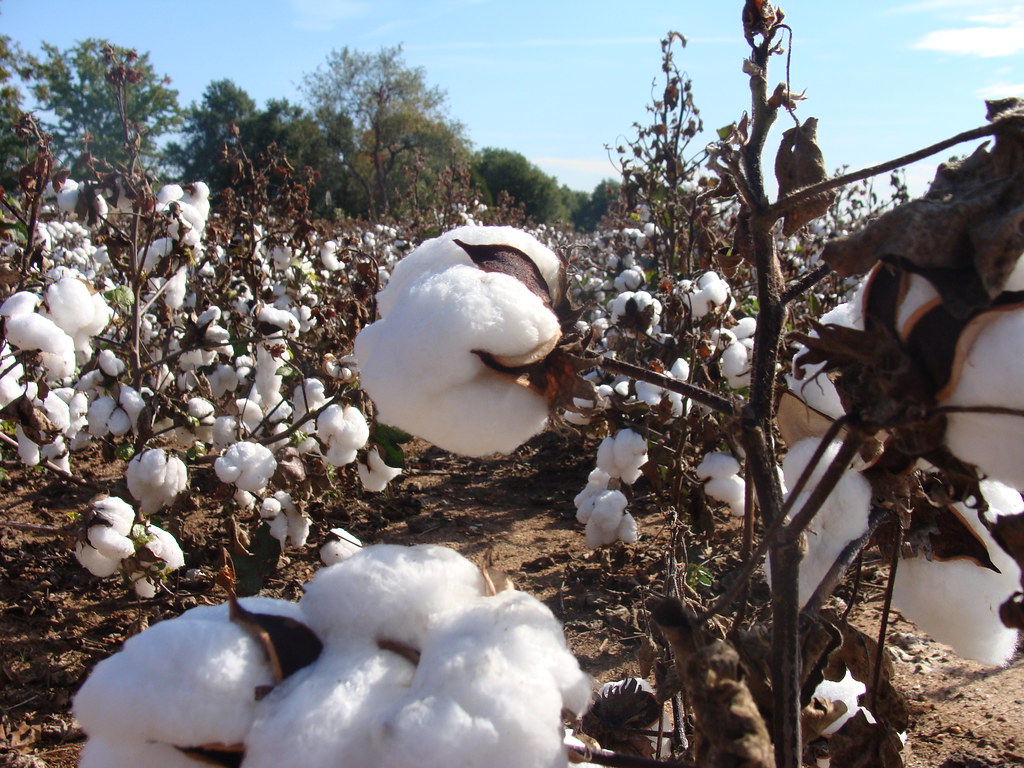
Many factors such as a win-win US-India trade deal, India’s need for quality cotton particularly for spinning 50s Ne and above, campaigns about environmental friendliness by global cotton organisations like Cotton Incorporated should influence cotton in positive direction, says Dr Seshadri Ramkumar.
India’s appetite for imported cotton is growing, while cost and need for quality fiber will influence its imports.
China and India are both leading cotton and textile producers, while cotton made-up goods from India is a major exporting item for India.
India’s cotton demand depends on macro-economic picture, trade agreements with major importers like United States, EU, and United Kingdom as well as its domestic consumption. In terms of dependency on imported cotton as is the case with China, Vietnam, Bangladesh and Turkey, India needs cotton with high quality primarily for its fine count spinning catering to home textiles and export markets.
India imports about 9 per cent of its total cotton consumption as against 16-17 per cent by China. The need for cost competitive quality cotton gives opportunity for cotton exporting countries like United States, Brazil and Australia to proactively engage with India.
While India’s cotton production can feed to its consumption, the need for higher quality and higher realisation in spinning necessitates importing cotton. Increase in demand for cotton and shortfall in its production due to weather and insects can impact cotton price and demand.
Aruppukkottai, India-based Jayalakshmi Textiles has been blending about 20 per cent or more of imported cotton to spin fine count yarns. “Lower trash content in imported cotton from United States is a convincing aspect provided they could procure at a competitive price,” stated Velmurugan Shanmugam, general manager at Jayalakshmi Textiles, which is a 100 per cent fine count cotton spinning mill. This mill consumes about 4000 bales (170 Kgs) of cotton monthly, and the need for high-quality cotton imports provides opportunities for cotton exporters.
This has been the case recently since February when the demand for textiles started to increase due to United States Supreme Court ruling on IEEPA as illegal, when Chinese textile exports started to increase. China in turn had to import cotton yarns from India, which put pressure on price and cotton availability. After the surge in demand started settling, the late start of monsoon in India during this Kharif planting season is being considered as a major influencing factor in cotton demand and price.
India started the monsoon season with 42 per cent deficit which in general is not a favorable situation for agriculture. But it may not influence cotton as much as rice, cereals and sugarcane. Farmers in India might switch from high water demanding crops such as pulses and rice to cotton. This possibility needs to be taken into consideration, which will influence pricing and availability.
Indian cotton scenario will determine the global market and futures stated Kaushik Gnanasekar, Research Analyst at Mumbai-based Commtrendz, a commodity research and analysis firm. Late monsoon is being talked about in the agricultural sector, which is hoped to push commodity prices upward, which in general is true. “In the Indian context, greater influence will be on food crops sown in Kharif season such as pulses and sugarcane,“ added Kaushik Gnanasekar.
It all depends on El Nino which is already reflected in the late start of monsoon this year, stated Gnanasekar Thiagarajan, Director, Commtrendz. Given than monsoon has picked in cotton growing areas such as Karnataka, and Maharashtra, Gnanasekar Thiagarajan predicts that the new crop in Indian (October 2026-September 2027) may be above 320 lakh bales (170 Kgs each). In his conservative estimate, he opined that the cotton crop will be more than last year as against the deficit projection based on monsoon pattern.
Another important influencing factor is the ensuing trade deal between India and United States, which is expected to include procurement of agriculture products at certain quantity levels. This deal will be favorable to cotton as it is not a food crop and will not be affected by non-tariff barriers such as GMO restrictions. Indian cotton crop is 90-95 per cent GMO and hence it makes it convenient to add cotton in the trade equation. Furthermore, Indian spinning industry organisations like The South India Mills’ Association demand duty free import of cotton to stay competitive against Bangladesh.
In a recent gathering in Washington, DC, U S Ambassador to India Sergio Gor stated that only 1-2 per cent of the deal is yet to be negotiated and the deal should be sealed soon. Cotton is going to be an important player in the trade between the two nations as United States wants to increase total trade from the current level of $220 billion to $ 500 billion in short-medium term.
Many factors such as a win-win US-India trade deal, India’s need for quality cotton particularly for spinning 50s Ne and above, campaigns about environmental friendliness by global cotton organisations like Cotton Incorporated should influence cotton in positive direction.
India is an important market which the global cotton and textile sectors should pay close attention.
About the author:
Dr Seshadri Ramkumar is a Professor, Nonwovens & Advanced Materials Laboratory in Texas Tech University, Lubbock, TX, USA. You can contact him on Email: s.ramkumar@ttu.edu