Close Menu
Indian Textile Journal
  • Home
  • Textile Machinery
    • Allied Equipment and Accessories
    • Automation
    • Dyeing, Processing & Finishing
    • Knitting
    • Printing
    • Spinning
    • Weaving
  • Tech Textiles
  • Sustainability
  • Resources
    • Trade Fair
    • Events
    • Videos
  • Interview & Opinion
  • Subscribe Now
  • Advertise
  • Digital
  • Apparels & Garments
  • Fibres & Raw Materials
  • Home Textiles
  • Industry Update
Facebook X (Twitter) YouTube LinkedIn
Indian Textile Journal
Epson
  • Home
  • Textile Machinery
    • Allied Equipment and Accessories
    • Automation
    • Dyeing, Processing & Finishing
    • Knitting
    • Printing
    • Spinning
    • Weaving
  • Tech Textiles
  • Sustainability
  • Resources
    • Trade Fair
    • Events
    • Videos
  • Interview & Opinion
  • Subscribe Now
  • Advertise
  • Digital
  • Apparels & Garments
  • Fibres & Raw Materials
  • Home Textiles
  • Industry Update
Indian Textile Journal
Home » Effluent discharge norms too stringent?
Apparels & Garments

Effluent discharge norms too stringent?

By February 1, 20162 Mins Read
Share Facebook Twitter LinkedIn WhatsApp Copy Link

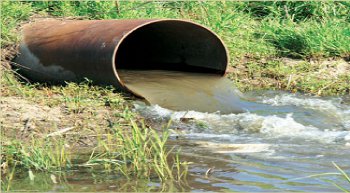
Raising serious concerns over an Environment Ministry?s proposal to mandate virtually all the textile units to reduce their effluent discharge to zero, the Textiles Ministry in India has asked to review the proposal as it could lead to closure of many units.

In a letter to the Ministry of Environment and Forests, Textiles Secretary SK Panda has said the proposed standards are ?too stringent? and it would make the zero liquid discharge commercially non-viable. The secretary also said insisting on zero liquid discharge standards will lead to closure of the industry and due to that people may lose their jobs.

The proposed standards seek to lay down zero liquid discharge for textile processing units where water discharge is greater than 25 KLD (kilolitres per day). The Textiles Ministry has argued the domestic processing industry is largely unorganised and consists of small and medium units. The proposed norms are stringent in terms of capital investment and it would also have high recurring expenditure.

The domestic industry has already raised their concerns on the move. They have requested to review the proposed environmental standards. Speaking on the issue, the outgoing secretary Panda says the norms could be implemented in a phased manner. The Textiles Ministry has held several meetings with the industry representatives, textile research associations and Indian Institute of Technology on the issue. A committee has already been formed for studying the existing technologies of effluent treatment.

Previous ArticleChina, US cotton cultivation to dip
Next Article Spille heads ContiTech Air Spring Systems

Related Posts

Myntra’s Cares strengthens education for 400+ beneficiaries

November 17, 2026

Jeanologia and Sue Barrett reimagine camouflage codes in Common Ground

November 16, 2026

CMAI and NIFT VisioNxt team up to bring ai-driven fashion forecasting to apparel hubs

November 12, 2026
Recent Posts
  • The Next Generation of Denim: Innovation in Comfort, Stretch, Versatile Textures and Performance Fabrics
  • Mihir V Shah: Circularity must also consider the end-of-life stage of fabrics
  • Disha Shah: Good quality and a sharp price are no longer differentiators
  • B Sankar: Our specialised recycling lines process both pre- and post-consumer waste
  • Manjiri Paranjape: We don’t just promote circularity; we build it into our operations
  • Amoli Shah: Automation is a key focus across our products
  • Keyur Panchal: Every machine on our stand this year will be a new-generation version
  • Stäubli showcases new S3292 dobby & advanced weaving tech at ITME India 2026
Facebook X (Twitter) YouTube LinkedIn
  • About us
  • Contact us
  • Privacy Policy
  • Terms and Conditions

SISTER PUBLICATIONS

Construction World Equipment India Industrial Product Finder Infrastructure Today

© 2026 Indian Textile Journal. All Rights Reserved.

Type above and press Enter to search. Press Esc to cancel.